
Analysis
Social transformations, structures of power and changing regional balances.
Explore the analysis
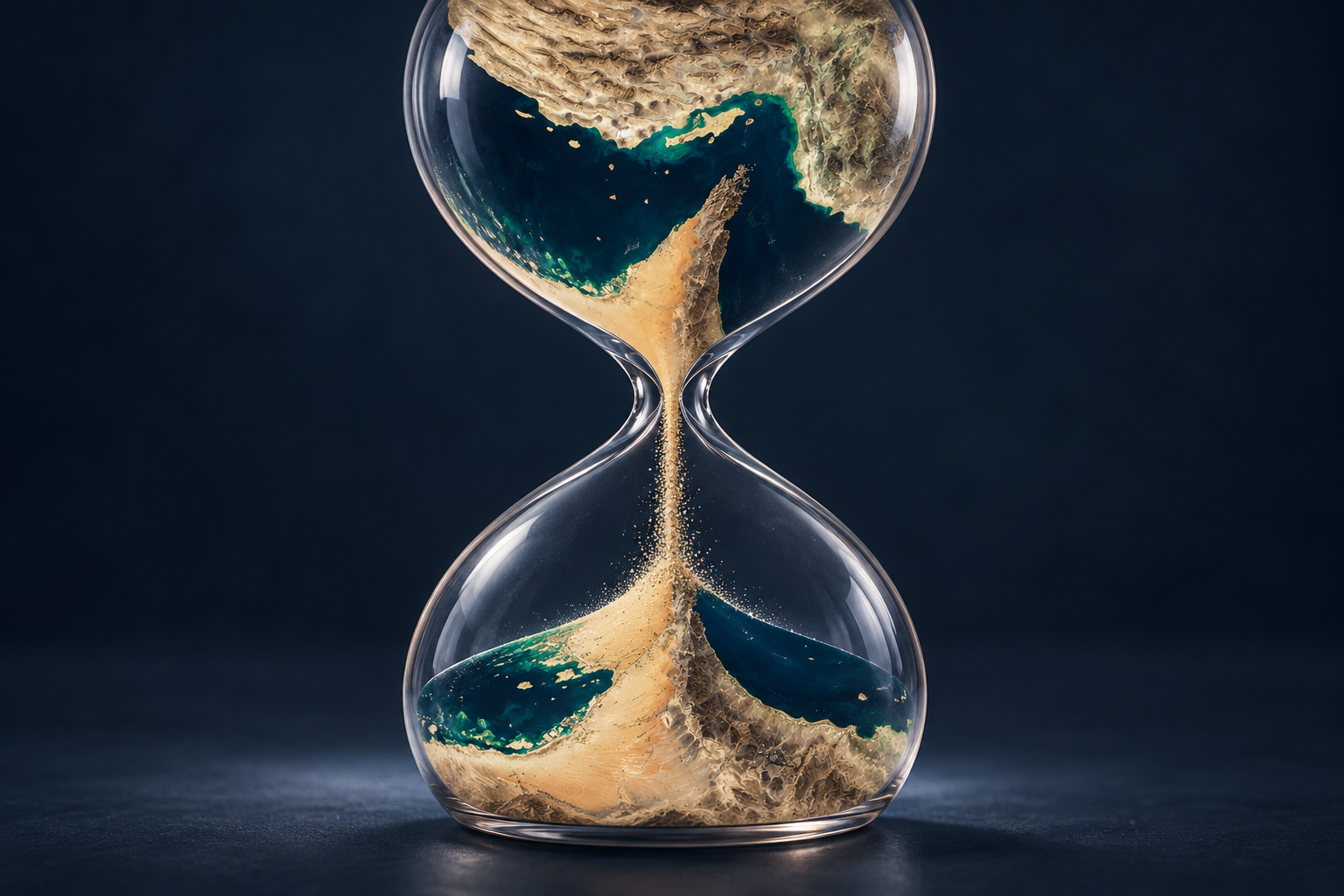
Hormuz: the race against three clocks
The struggle over Hormuz is also a struggle over who can afford to wait. Washington faces an electoral deadline, Iran’s rulers face mounting economic costs, and Iranian society could upset both calculations. November 3 may change the balance; it cannot determine the outcome.
Why Washington Failed to See Iran’s Revolution Coming
Drawing on Scott Anderson’s King of Kings, this essay examines American blindness, the Shah’s indecision and the convergence of crises that enabled Khomeini’s ascent.
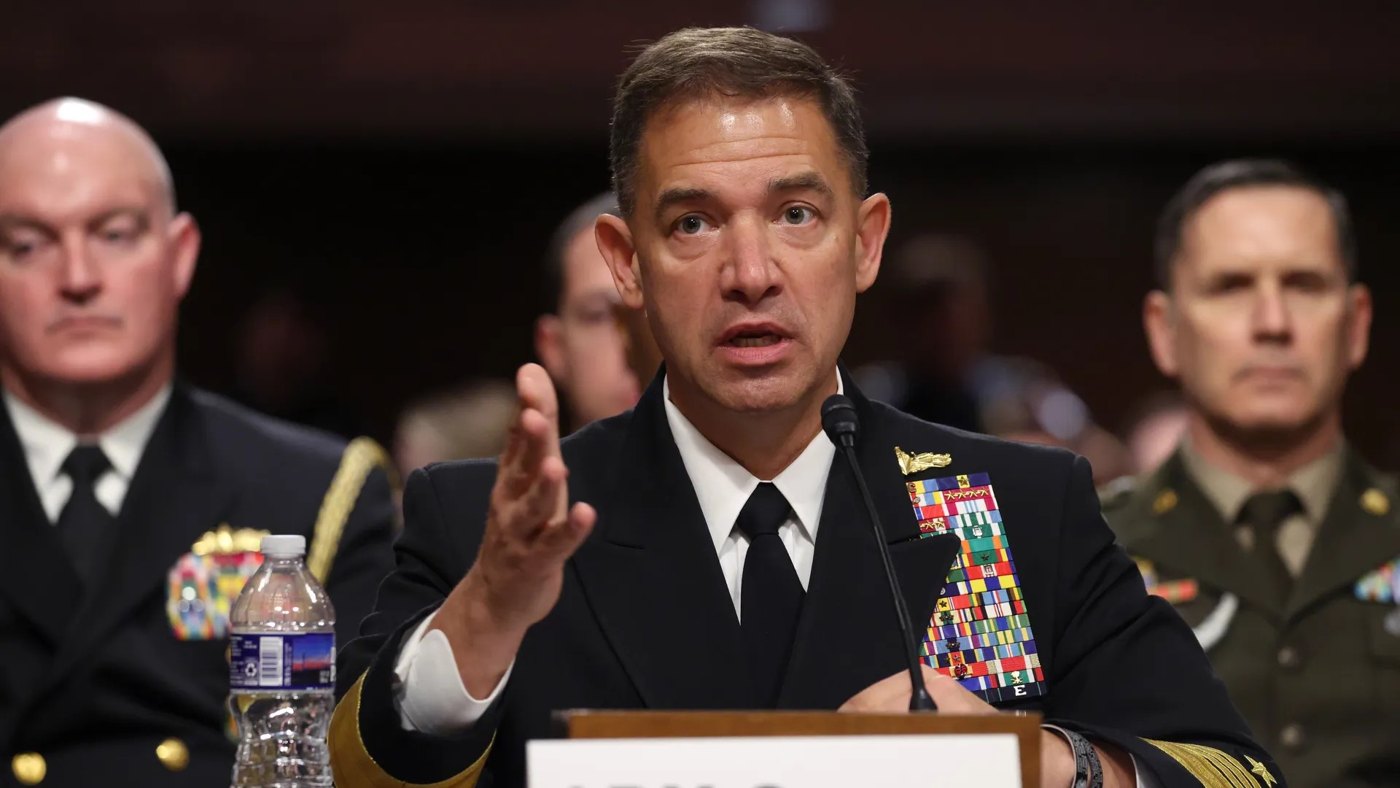
The War’s Second Phase Is About Denial—Not Yet Regime Change
Washington is preparing to prevent the Islamic Republic from rebuilding military power. That strategy may increase pressure on the regime itself, but the available evidence does not establish a shared policy of overthrow.
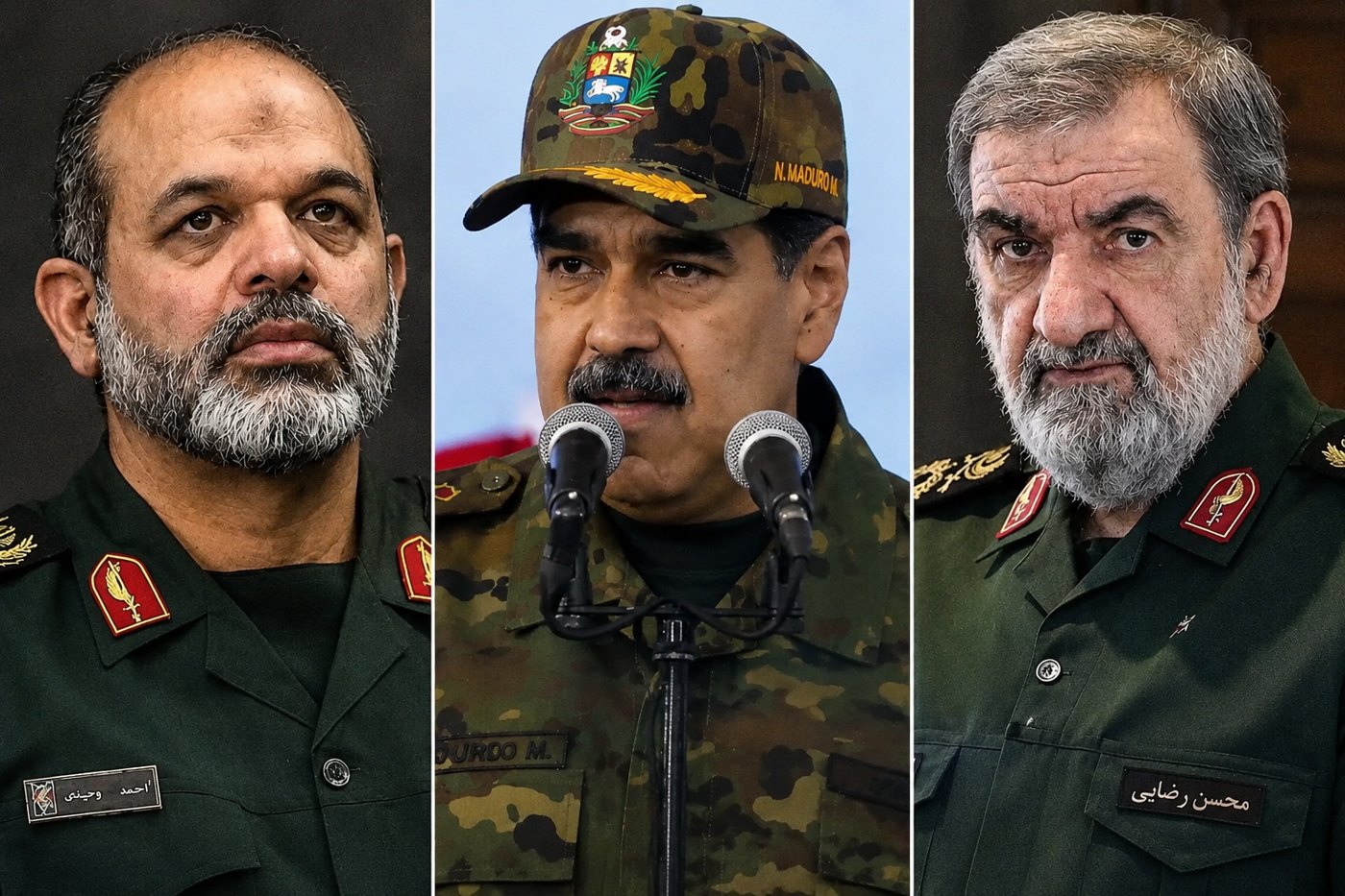
From Venezuelan Oil to the Islamic Republic’s Survival Crisis
Six months of war have not toppled the regime. They have altered its conditions of survival, bringing oil revenue, relations with China and the interests of Iran’s ruling institutions into a prolonged test of endurance.
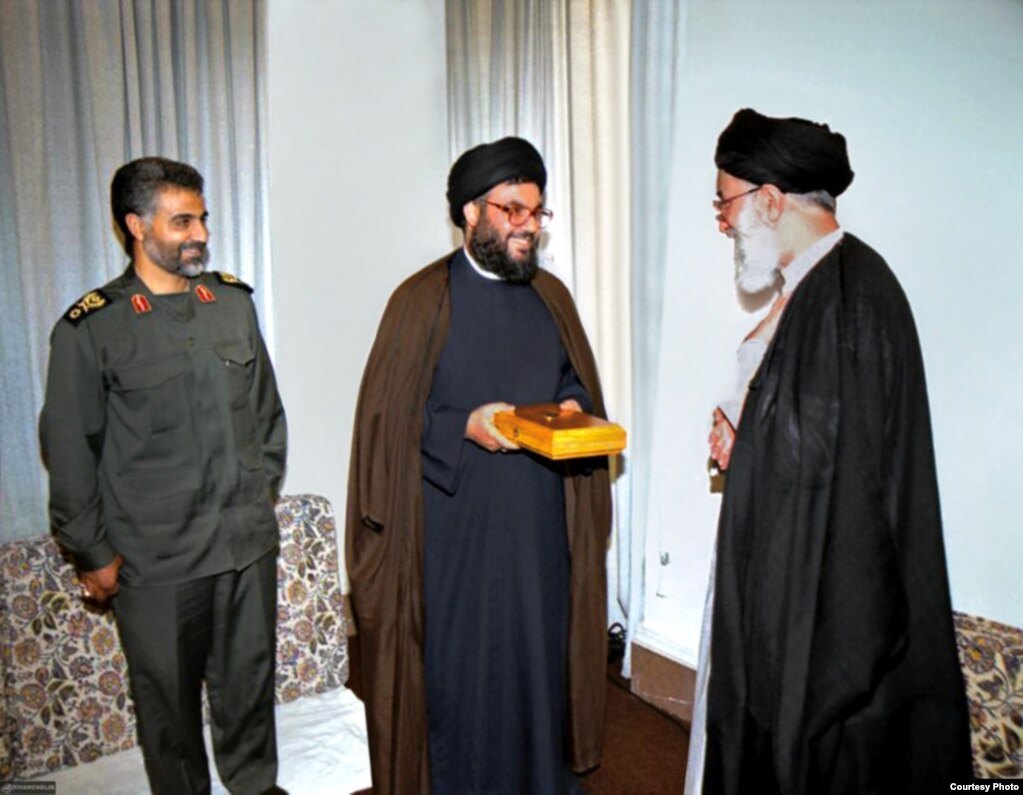
Iran and History’s Cunning: The Rise and Possible Decline of Political Islam
Iran helped bring political Islam to state power in 1979. The convergence of social change and regional decline may open a path beyond religious rule, but only a citizen-led political process can give that path legitimacy.
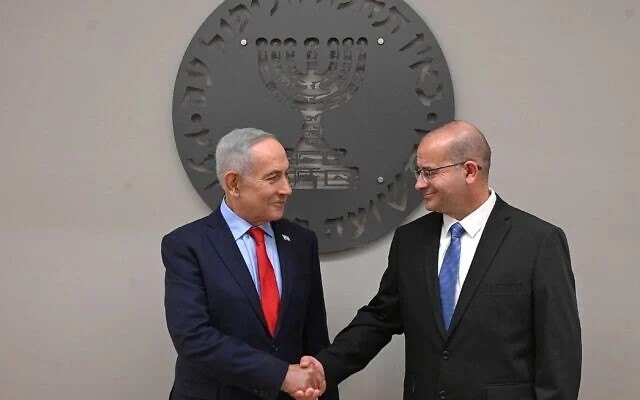
Why Israel’s Iran Regime-Change Plan Failed
Air power, Kurdish forces and a figurehead could not substitute for defections, domestic organisation or political legitimacy. The failure exposes the distance between regime collapse and democratic transition.
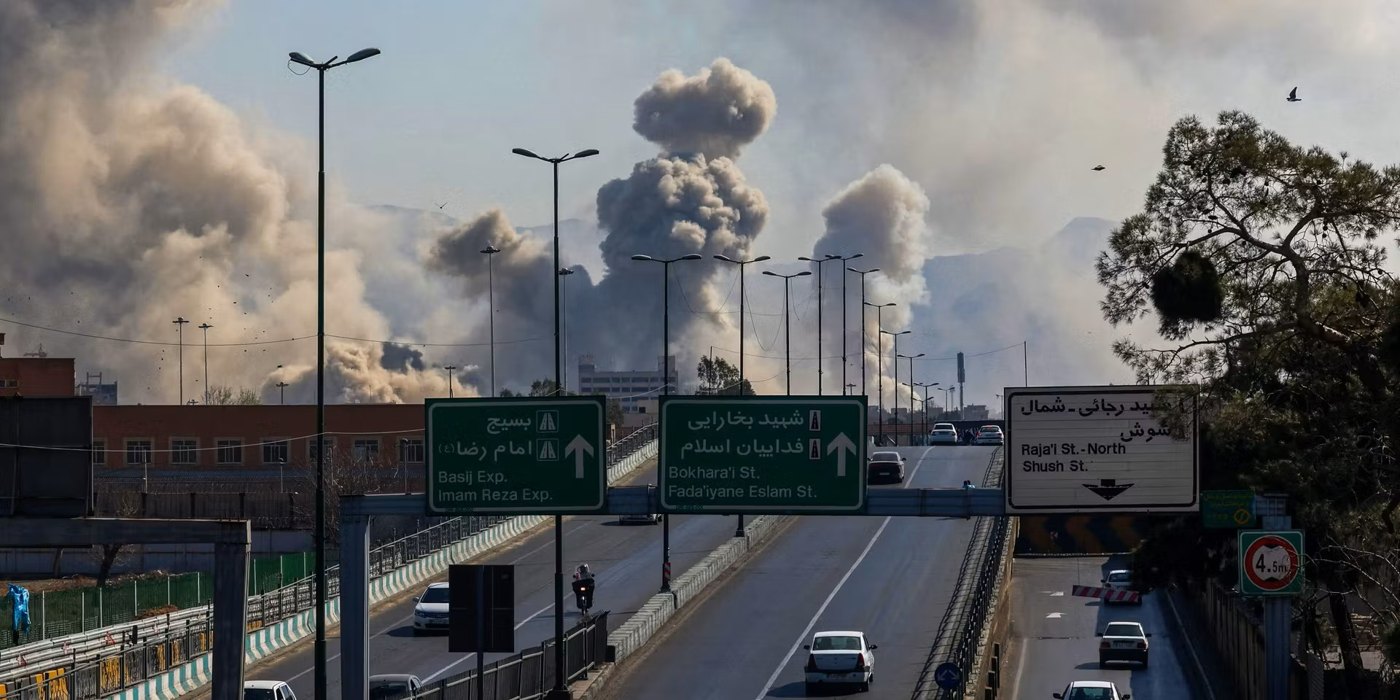
War and Political Rupture: The Limits of the Iraq and Afghanistan Analogy
Iraq and Afghanistan are reasons for caution, not a predetermined future for Iran. War’s effects depend on social change, institutional choices and the political capacity to organise a transition.
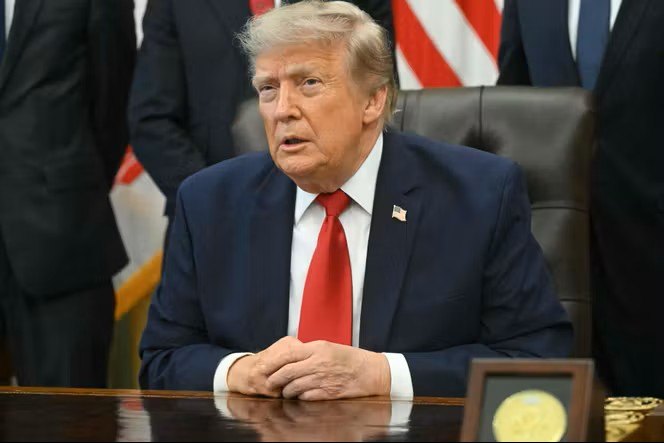
Who Is the United States Fighting in Iran?
Washington’s problem goes beyond choosing between force and diplomacy. It is to identify an authority capable of making decisions, binding institutions and taking responsibility after Khamenei’s death.
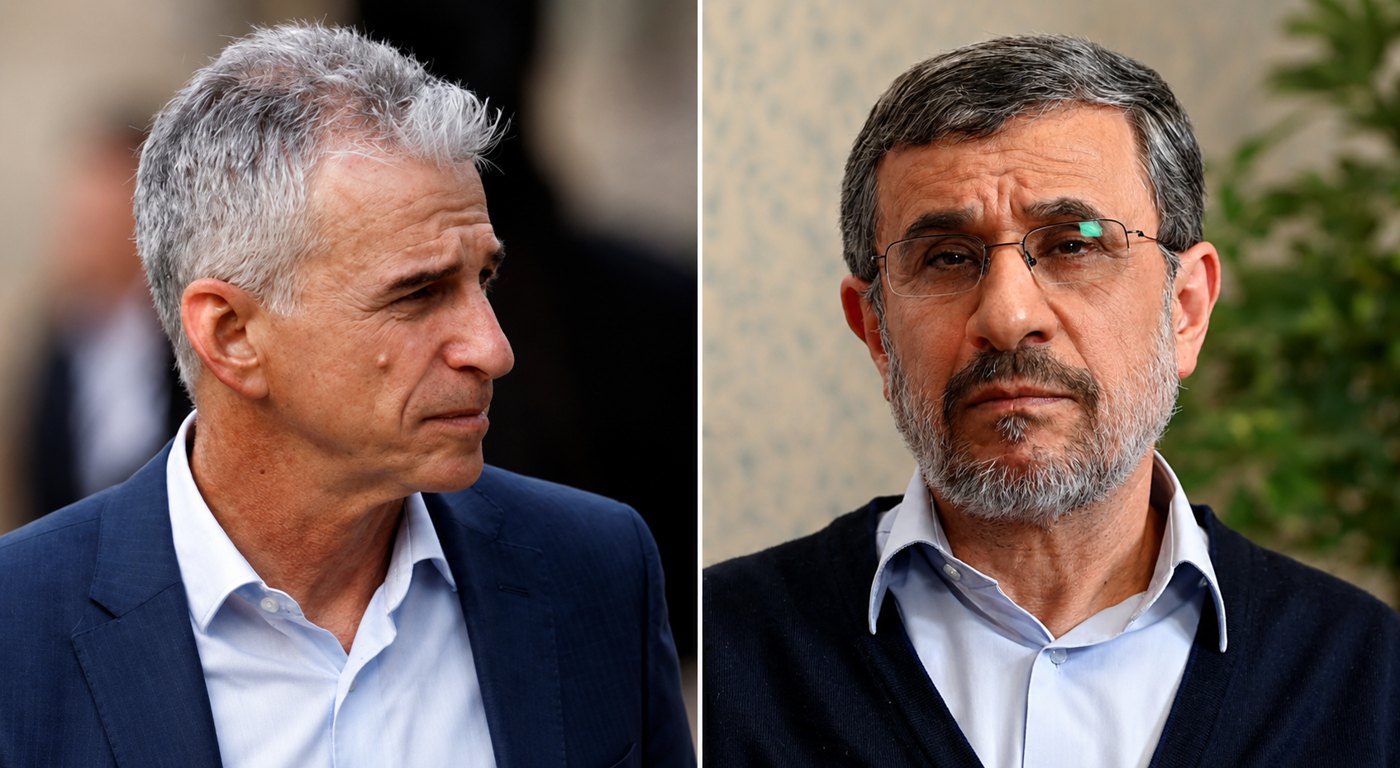
The Ahmadinejad Gambit and the Limits of Insider Change
The reported Mossad approach to a former Iranian president exposes the appeal—and the weakness—of seeking political transformation through a regime insider rather than an organised transition.
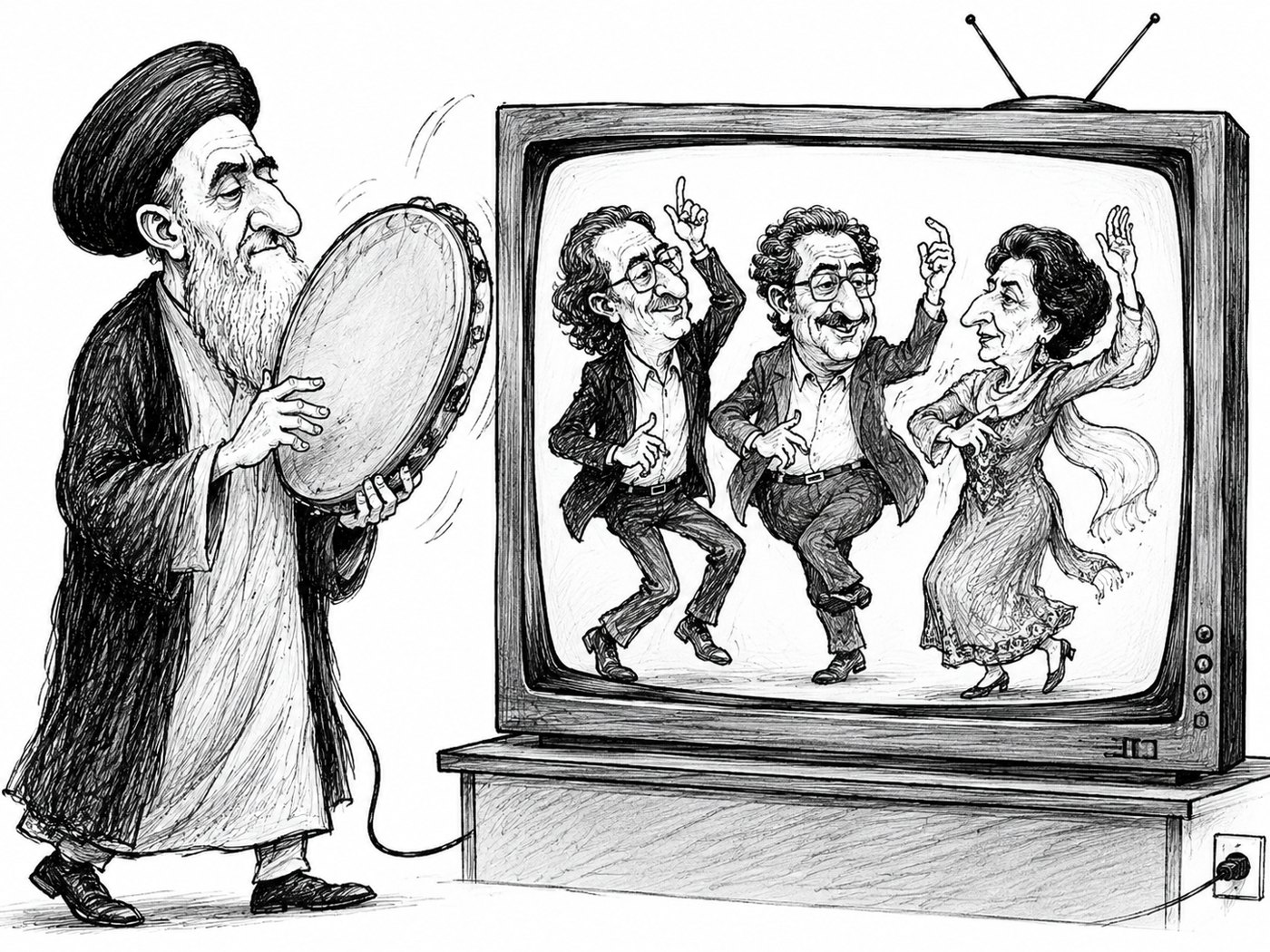
From Ideology to Influence: The Islamic Republic Beyond Its Borders
Ideological affinities, material interests, contested narratives and transnational repression operate through different mechanisms. Understanding them requires documented connections rather than treating every disagreement or contact with Iran as evidence of dependence.
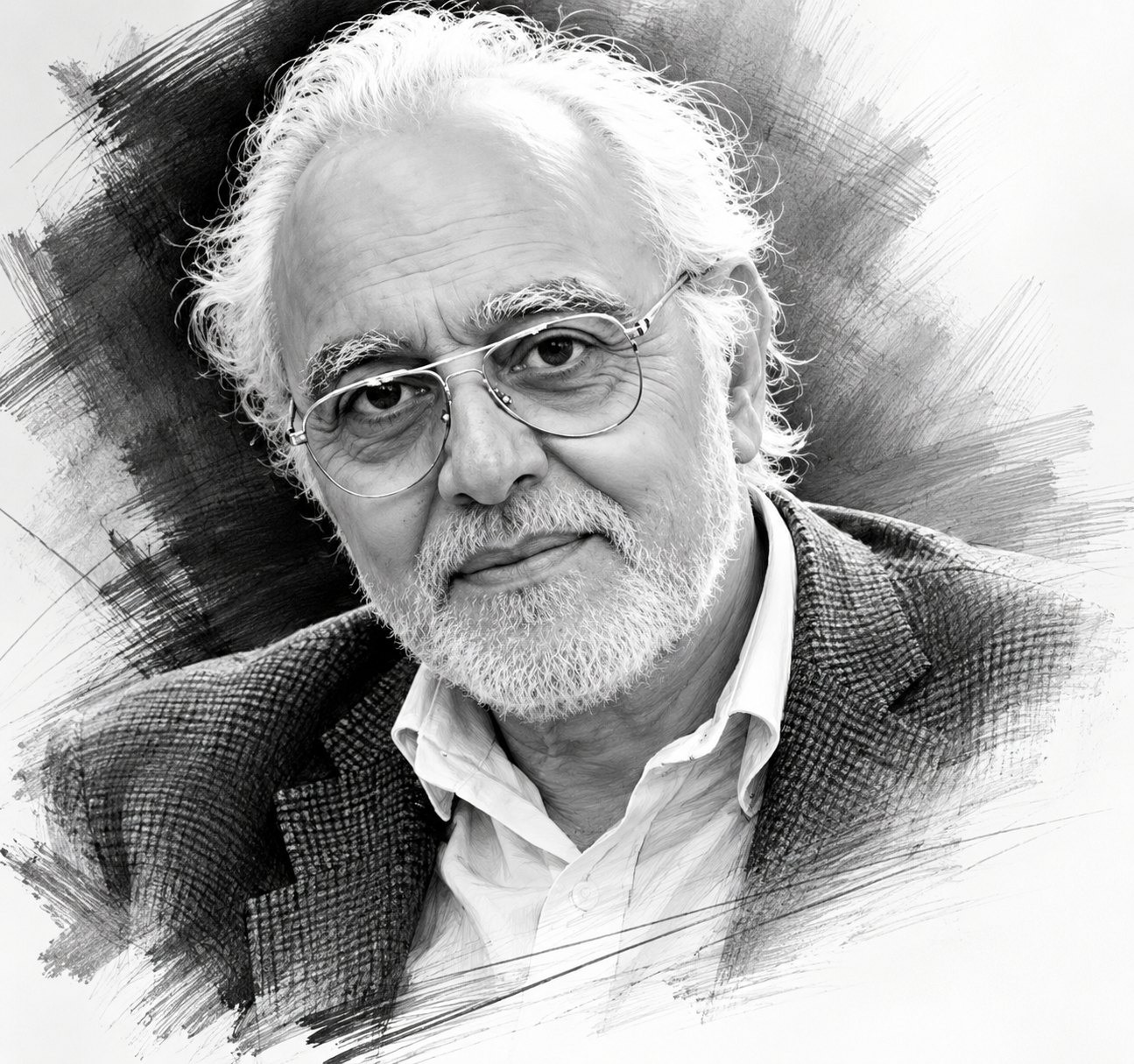
Ali Shakeri-Zand and the political cost of standing apart
His support for Shapour Bakhtiar placed him at odds with much of Iran’s revolutionary opposition. For Shakeri-Zand, national independence had little meaning if it came at the expense of political freedom.
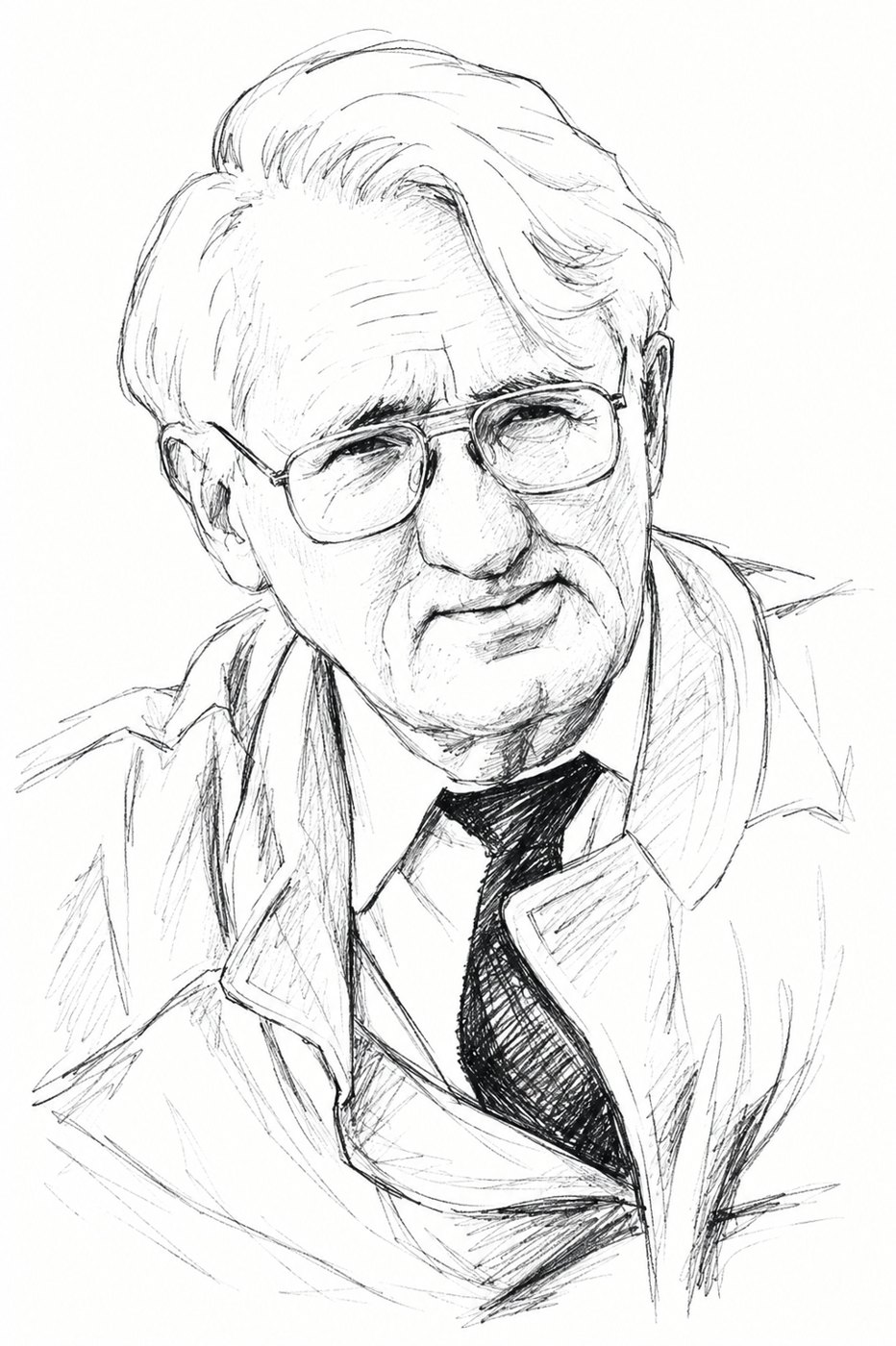
Habermas and the limits of power without justification
His account of democracy asked more of government than effective rule. Citizens needed the freedom, institutions and public space to challenge the reasons offered in their name.
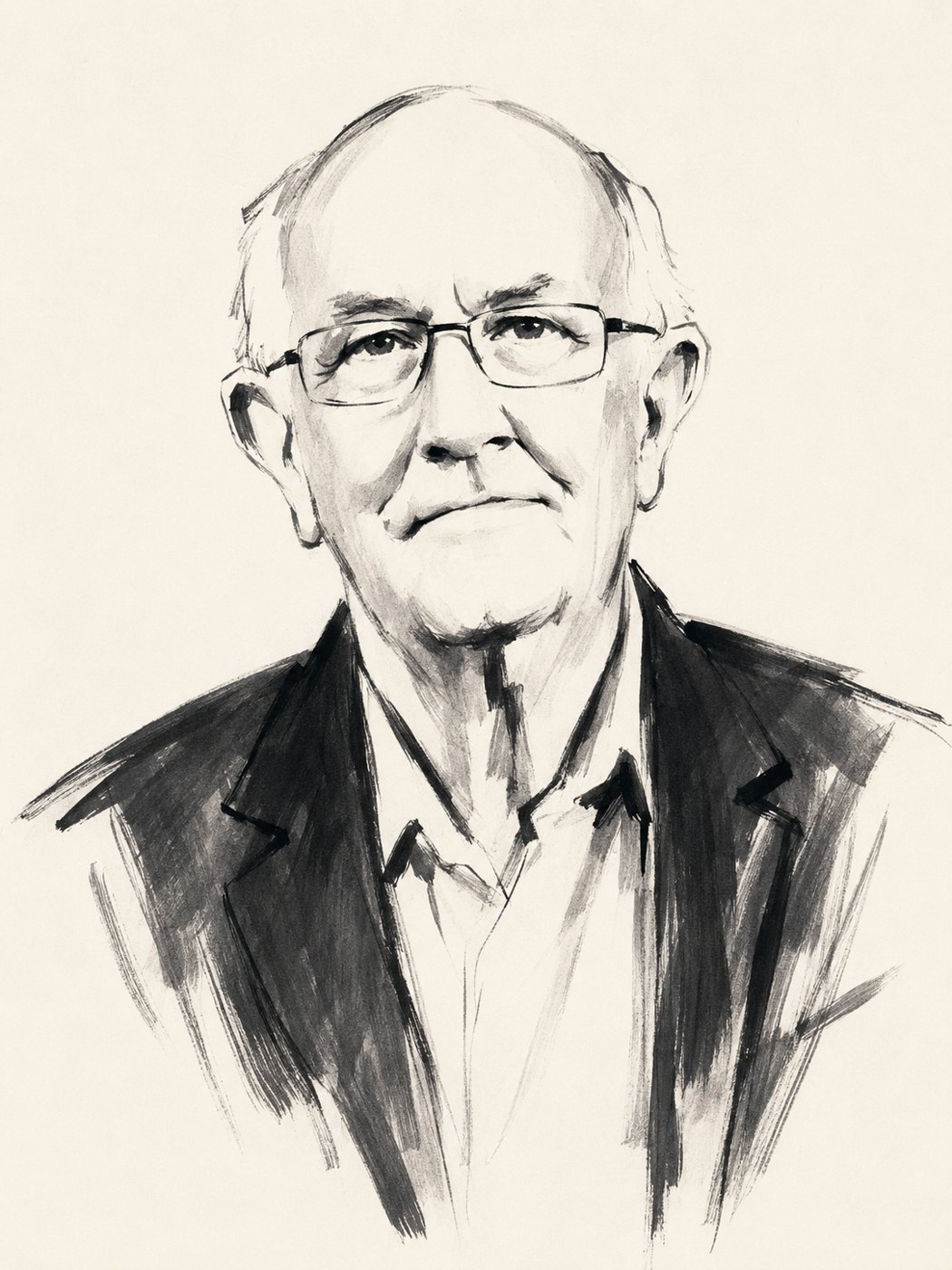
How antisemitic conspiracy narratives survive political change
Marcel Gauchet argues that discredited racial doctrines can give way to geopolitical narratives carrying familiar suspicions. His account links that shift to a test of equal citizenship in France.
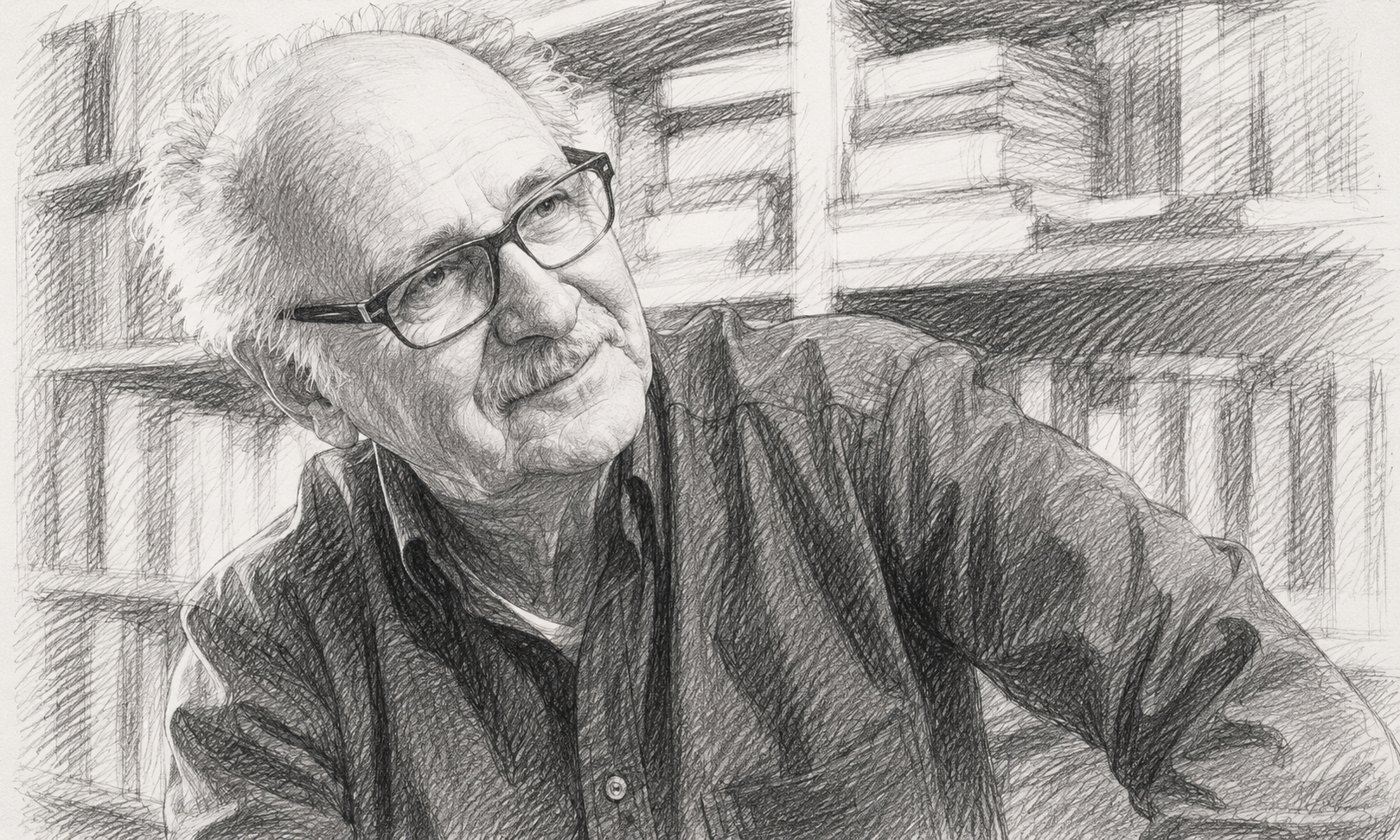
The Courage to Think: Reading and Questioning Aramesh Dustdar
Aramesh Dustdar’s critique of religious culture asks what makes thought possible. Three objections situate questioning within political life, language and the historical relationship between reason and belief.
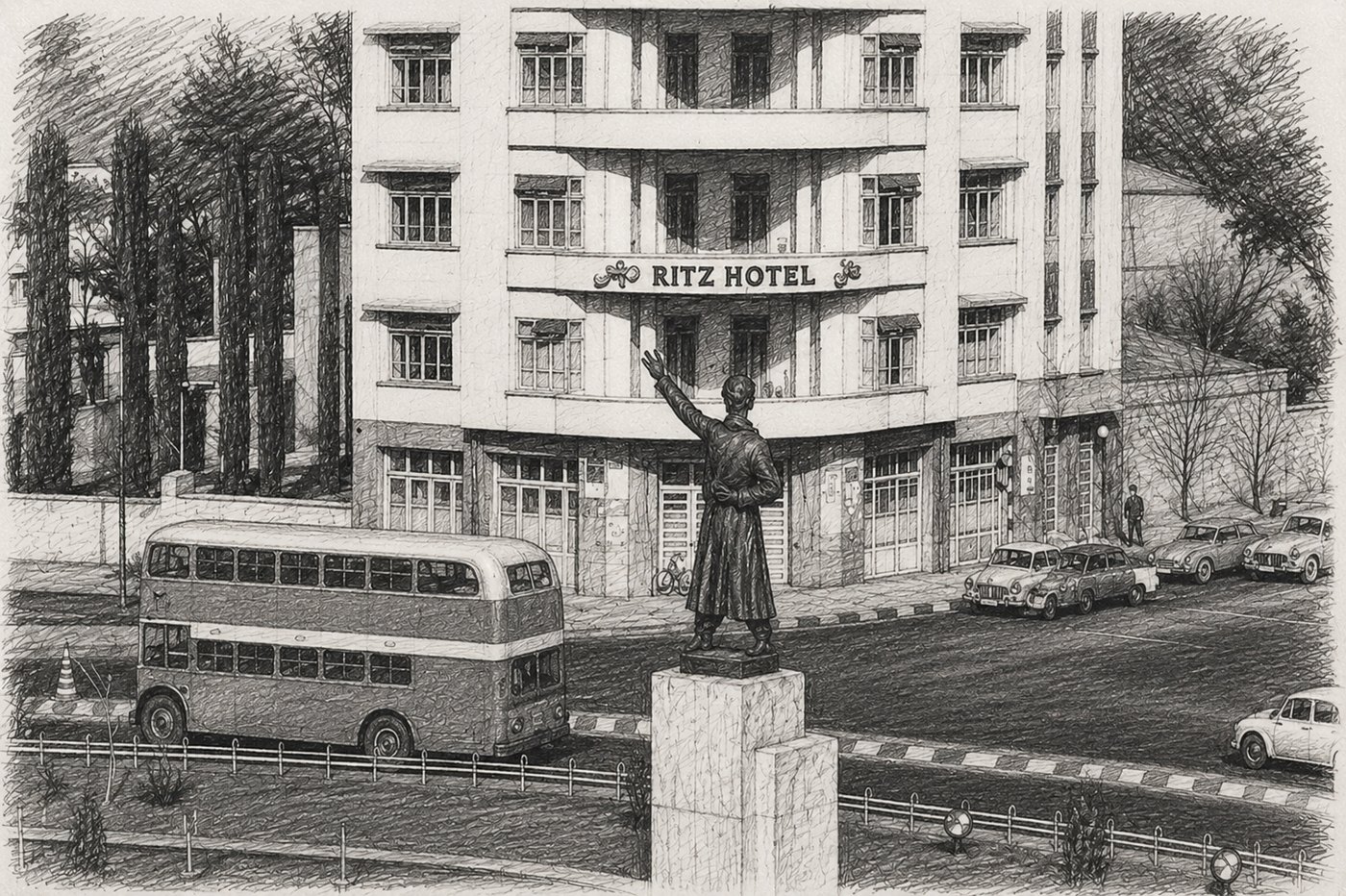
Returning to Tehran After Twenty-One Years
Nine days in Tehran in March 2005, after twenty-one years away. A personal notebook on a city revisited, exile’s memory, inequality, everyday encounters and the distance between society and authority.
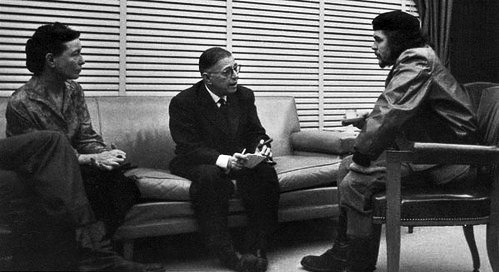
The ‘Independent Democratic Left’: A Project Stillborn in Armed Struggle
Taking From the Setareh Group to the Communist Unity Organisation as its point of departure, this essay confronts the memory of one current of the Iranian left with the question the book avoids: what legacy did armed struggle actually leave to democracy?
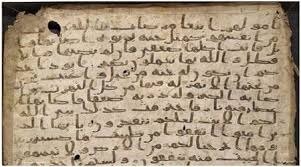
The Quran and the Dreams of a Seer
Abdolkarim Soroush’s theory of the Quran as Muhammad’s dream experience humanises revelation, but it resolves neither the text’s historical formation nor the political question of who has authority to interpret it.