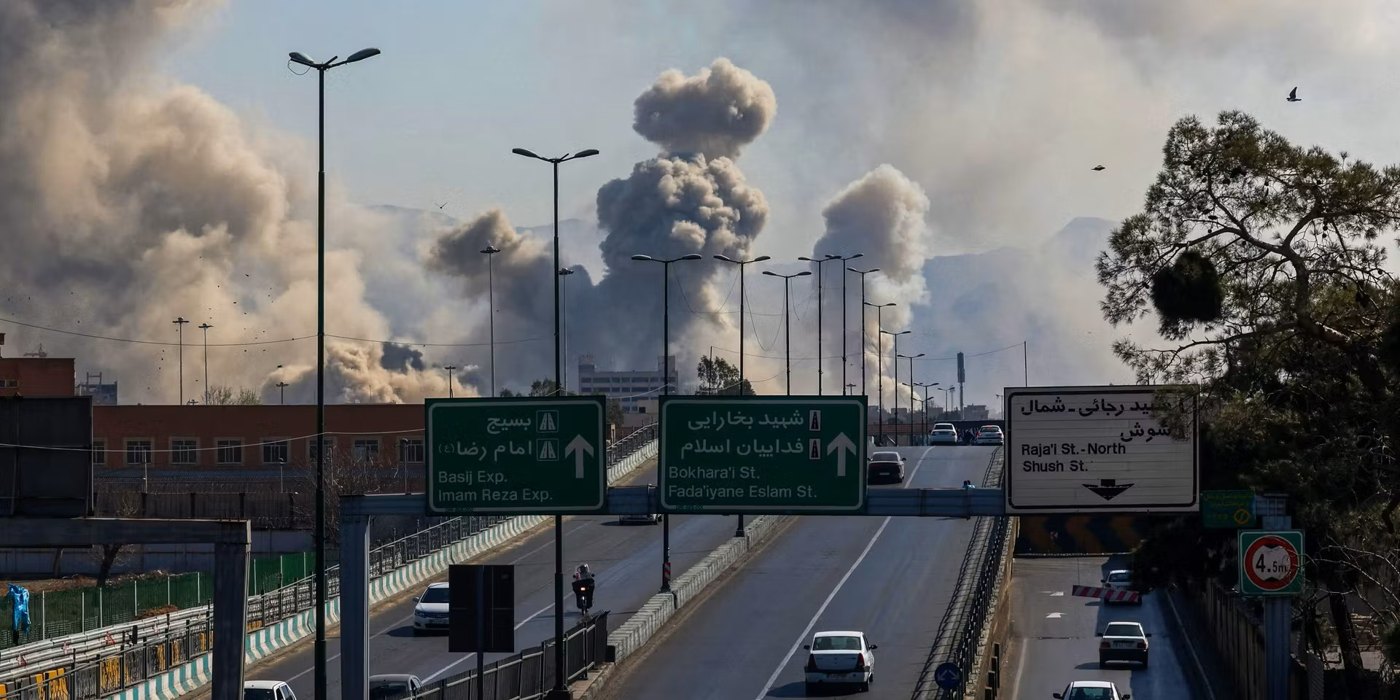
Washington and Jerusalem do not lack the military power to strike the Islamic Republic. They can destroy nuclear and military facilities, degrade Iran’s missile capabilities and impose severe economic costs. None of those actions, however, guarantees the regime’s political capitulation or collapse. The central strategic problem is how to turn military superiority into a durable political outcome.
A government can lose militarily and continue to rule. It can survive if it retains its administrative machinery, security services and coercive forces while facing a society that is angry but lacks a political organization capable of taking its place.
The Islamic Republic knows it cannot defeat the American or Israeli armed forces. It also knows that it need not defeat them to frustrate Washington’s and Jerusalem’s objectives. Its strategy is to make the conflict prolonged and costly: strike American bases and critical regional infrastructure, disrupt shipping through the Strait of Hormuz, and seek to compel Washington to accept an agreement that secures the regime’s survival.
That strategy has a vulnerability. The regime must keep Iranian society under control through violence while preserving the cohesion of its own repressive forces. So long as its leaders believe they can do both, they may expect to withstand external military pressure and portray their continued rule as a victory over the United States and Israel.
The regime’s ability to endure cannot therefore be measured only by the missiles it retains or the damage it has suffered. It also depends on whether it can maintain political and security control at home and neutralize initiatives that might challenge the existing order.
Over the past decades, Iranians have repeatedly risen against the Islamic Republic, at great human cost. Yet these mobilizations have not produced an independent, organized, nationwide political force capable of succeeding the government. Public discontent is profound, but it does not, by itself, create a political alternative. The regime has used every means at its disposal to prevent one from emerging.
This is the central political challenge: building durable ties among different parts of Iranian society and enabling them to agree on common objectives. Until that capacity exists, protests can be contained one movement at a time. The task is to convert social discontent into political power.
Large-scale strikes could contribute to that process, particularly in key industries and economic centers controlled by the state. They could weaken the regime’s economic and administrative capacity and deepen its political crisis. Strikes alone would not guarantee its collapse. But as part of a broader mobilization, they could help bring an autonomous force into being within Iranian society. The regime would then face more than external military pressure: it would confront an internal political force that an agreement with Washington could not simply remove.
Why an Agreement with Washington Would Not Resolve Iran’s Crisis
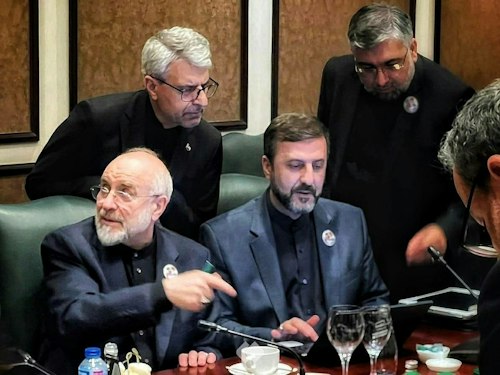
Talks between Tehran and Washington, disputes over enriched uranium stocks and the terms for reopening the Strait of Hormuz point to a negotiation shaped by pressure, in which each side seeks concessions from the other. Tehran wants to reduce American military and economic pressure. Washington wants assurances about the Islamic Republic’s nuclear program and regional policy.
Even if the two sides reached an interim agreement, Iran’s political crisis would remain unresolved. Ending the war would not end that crisis. A compromise might satisfy outside powers by restricting Iran’s nuclear program or regional activity while leaving the political aspirations of the Iranian public unanswered.
Continued strikes would not resolve the underlying problem either. They could weaken the regime, but without an organized political force inside Iran, there would be no guarantee that military action would open the way to a democratic transition—or produce a lasting outcome favorable to the United States.
Iran’s future should not be reduced to a choice between a Washington agreement with the Islamic Republic and continued war to weaken it. A third possibility must be taken into account: the emergence of autonomous political power among Iranians, potentially built through the organization of a general strike.
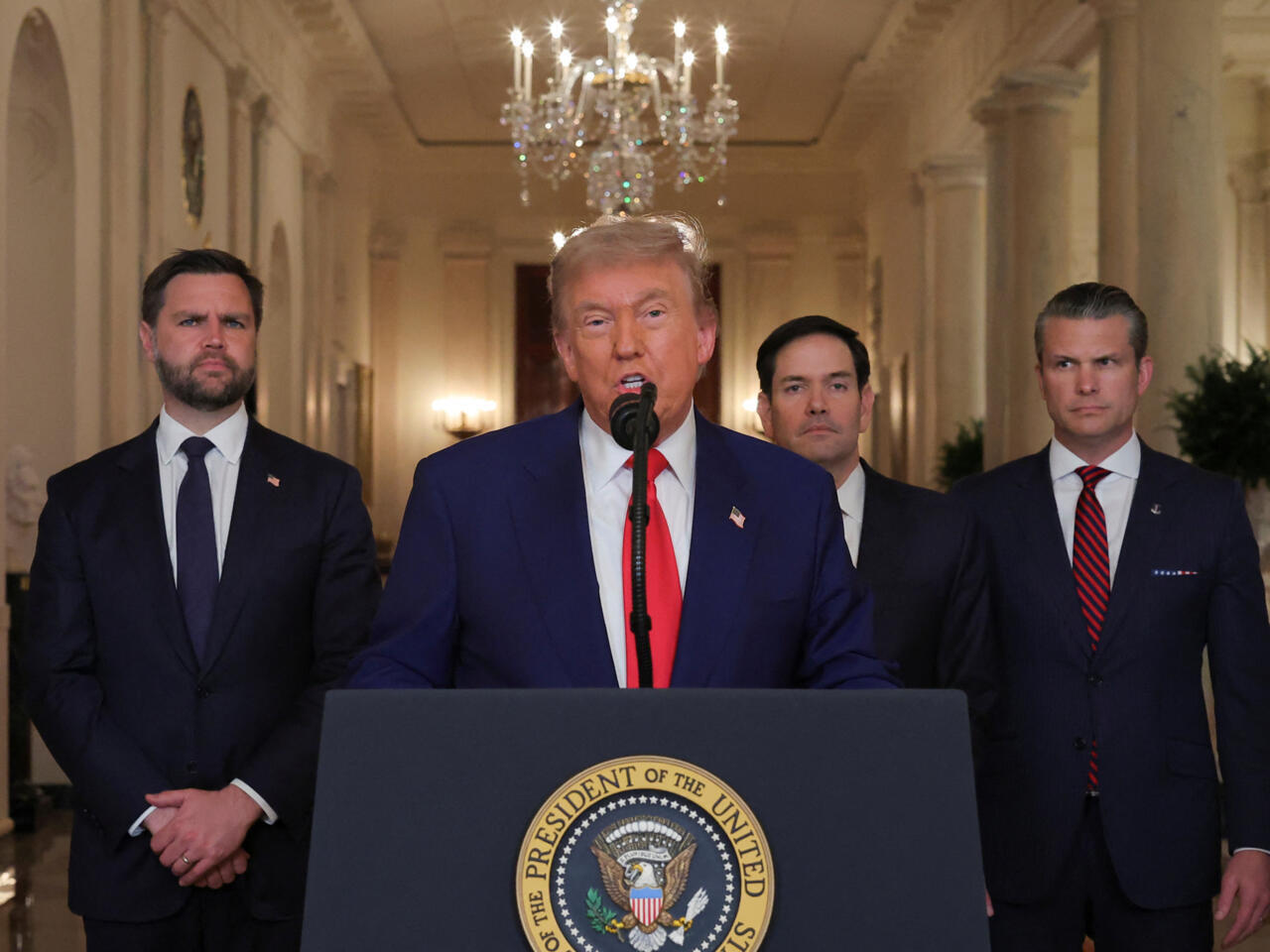
If that happened, the decisive questions would no longer be only when Donald Trump might order new strikes, how far Benjamin Netanyahu would want to take the war, or what concessions Tehran might offer to survive. The question would be how Iranians could organize for a democratic transition and reshape the calculations of all those actors.