Analysis
Social transformations, structures of power and changing regional balances.
Explore the analysis
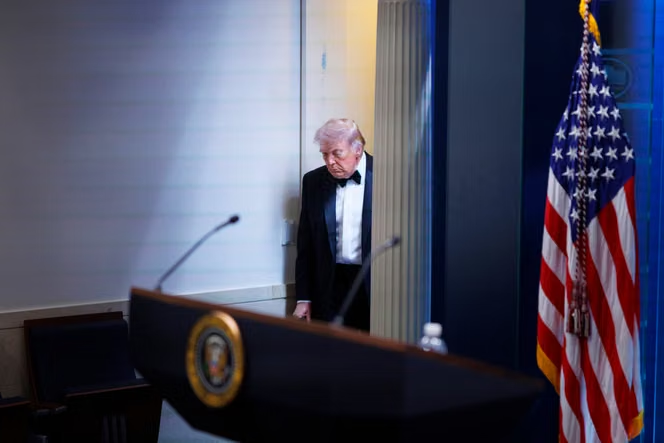
Iran: Is Trump Preparing a War to Change History?
JD Vance’s letter and the Qatari mediators’ mission to Tehran: a final warning before strikes resume?
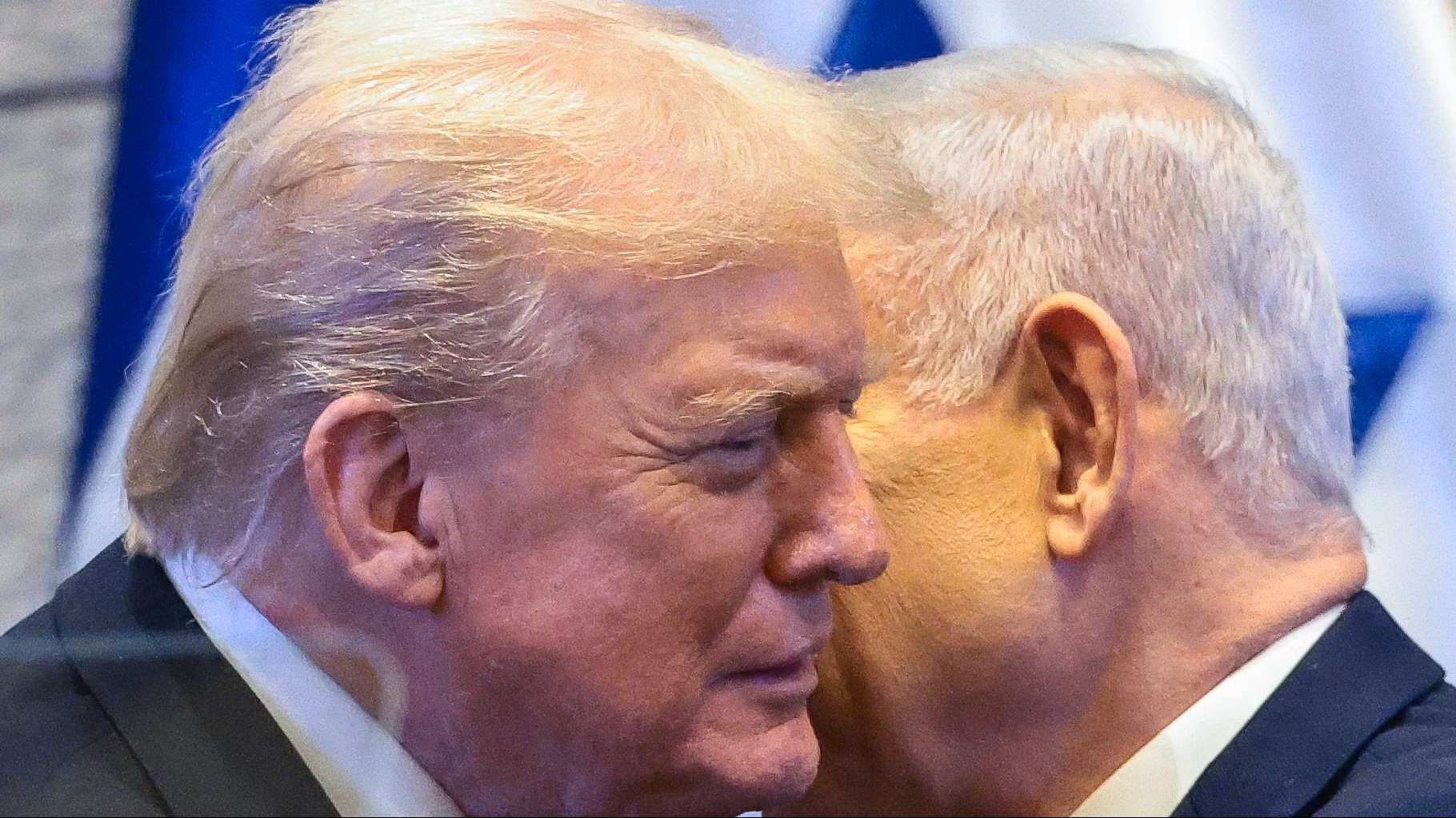
Could the Iranian Regime’s Survival Also Be Decided at Israel’s Ballot Box?
Israel’s election and the US midterms could change Netanyahu’s and Trump’s freedom to act against the Islamic Republic.
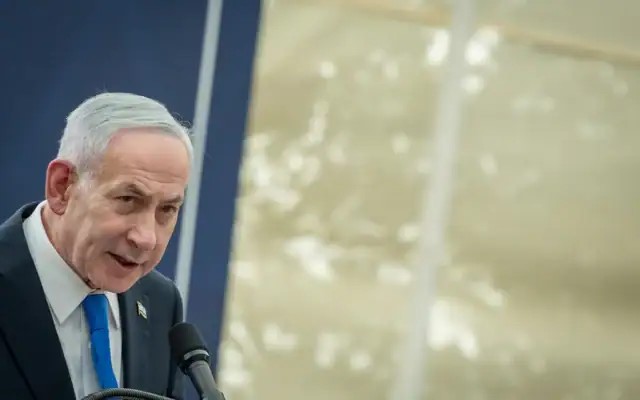
Netanyahu Wants to Topple the Islamic Republic. But With What Political Force?
The Islamic Republic remains in power eight months after the February offensive. What Iranian political force could turn a military crisis into a change of system?
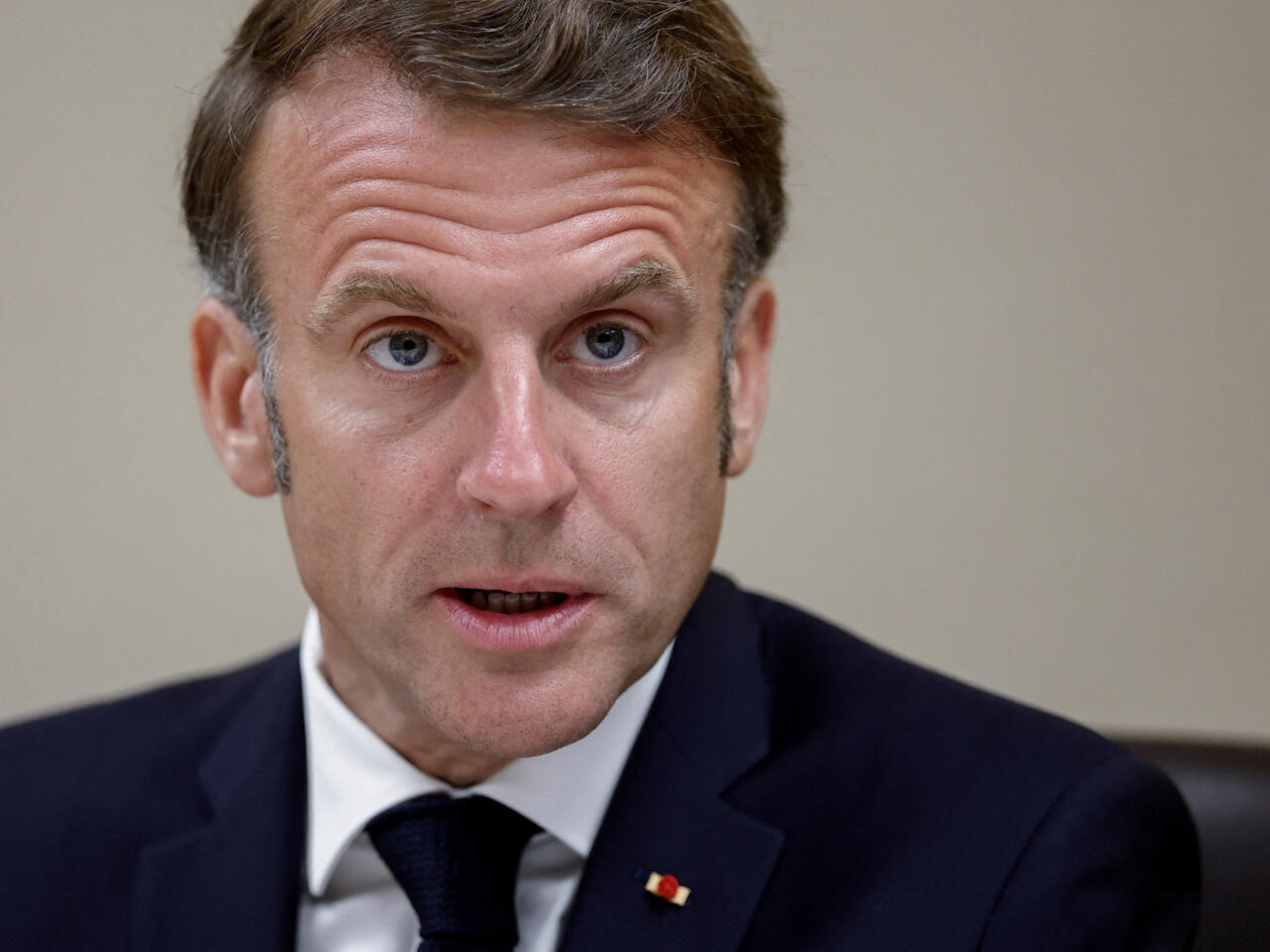
France’s Social Crisis Exposes the Exhaustion of Its Political System
From the 2024 dissolution to October 2026’s unrest, France’s social crisis exposes a widening gap between voters and political power.
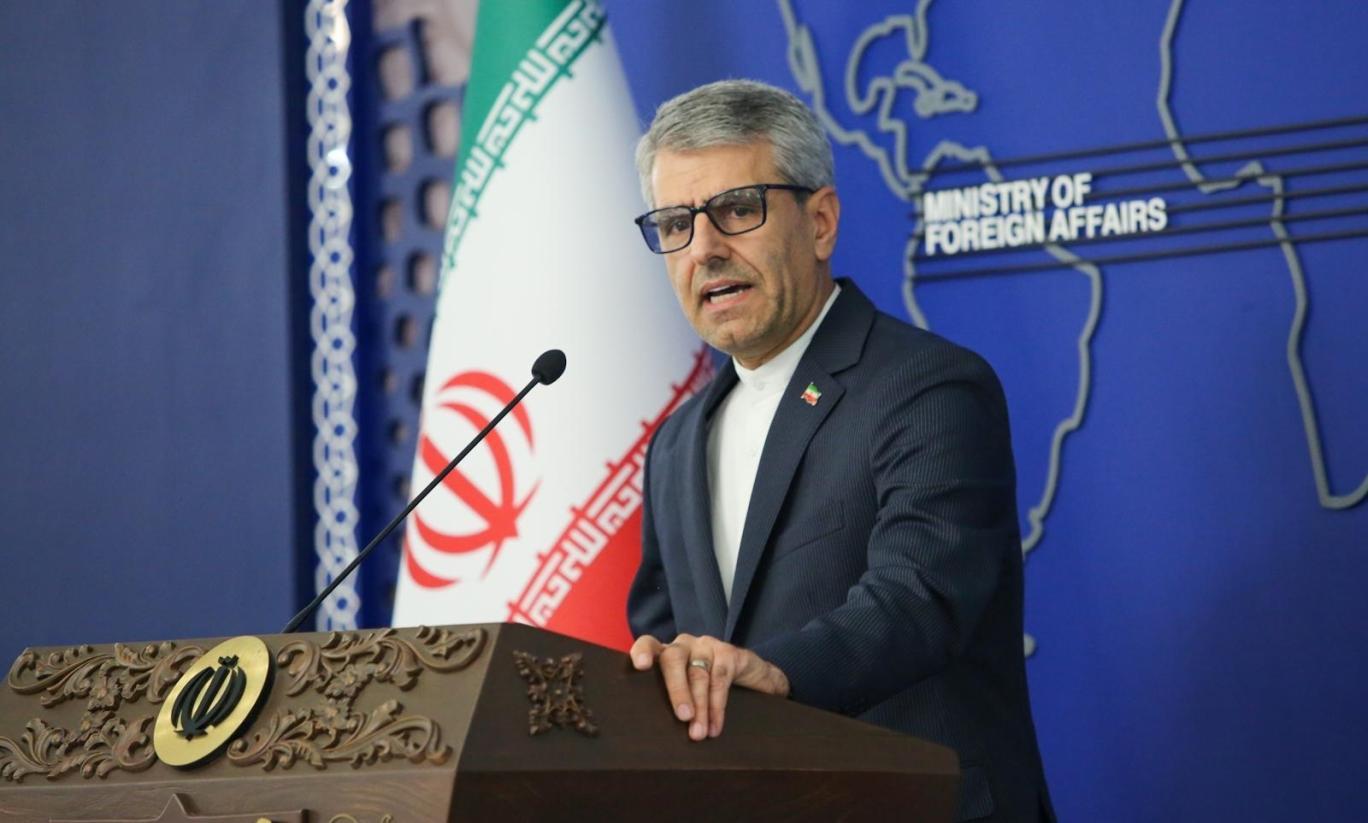
Unrest in France: Iran’s strategy and the risk of covert interference
Iran’s campaign against Paris and its documented use of criminal networks warrant scrutiny of possible interference in France’s unrest.
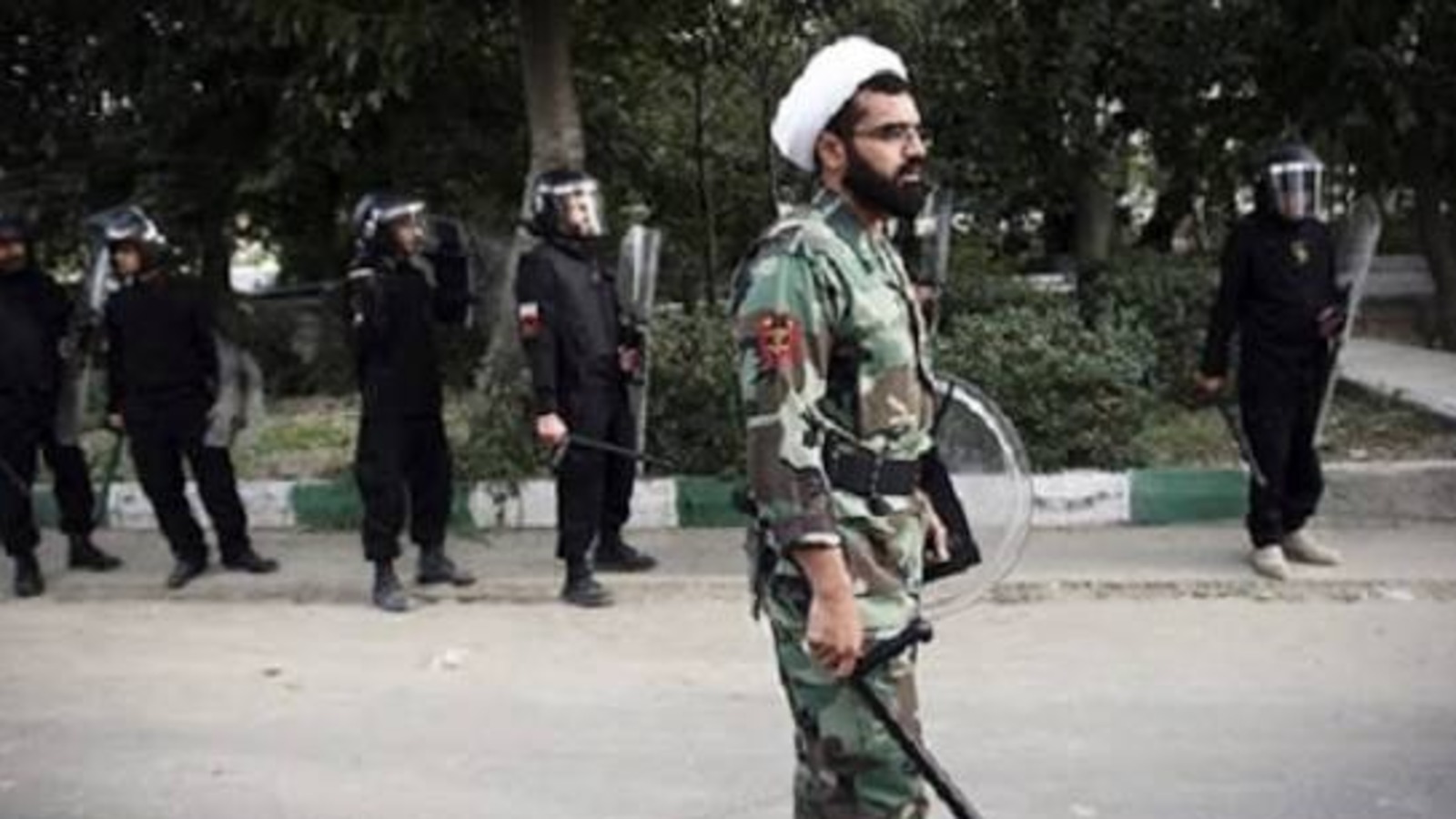
Iran’s Social Crisis—and the Limits of Repression
War, inflation, and deepening poverty are accelerating a crisis that extends far beyond the economy. The Islamic Republic now confronts a society transformed by decades of cultural and political change, much of which no longer recognizes the regime as legitimate. Yet declining public support does not necessarily mean that Iran’s coercive apparatus is about to collapse. The country’s political future may depend on this central contradiction: a regime can lose legitimacy while retaining the power to repress.
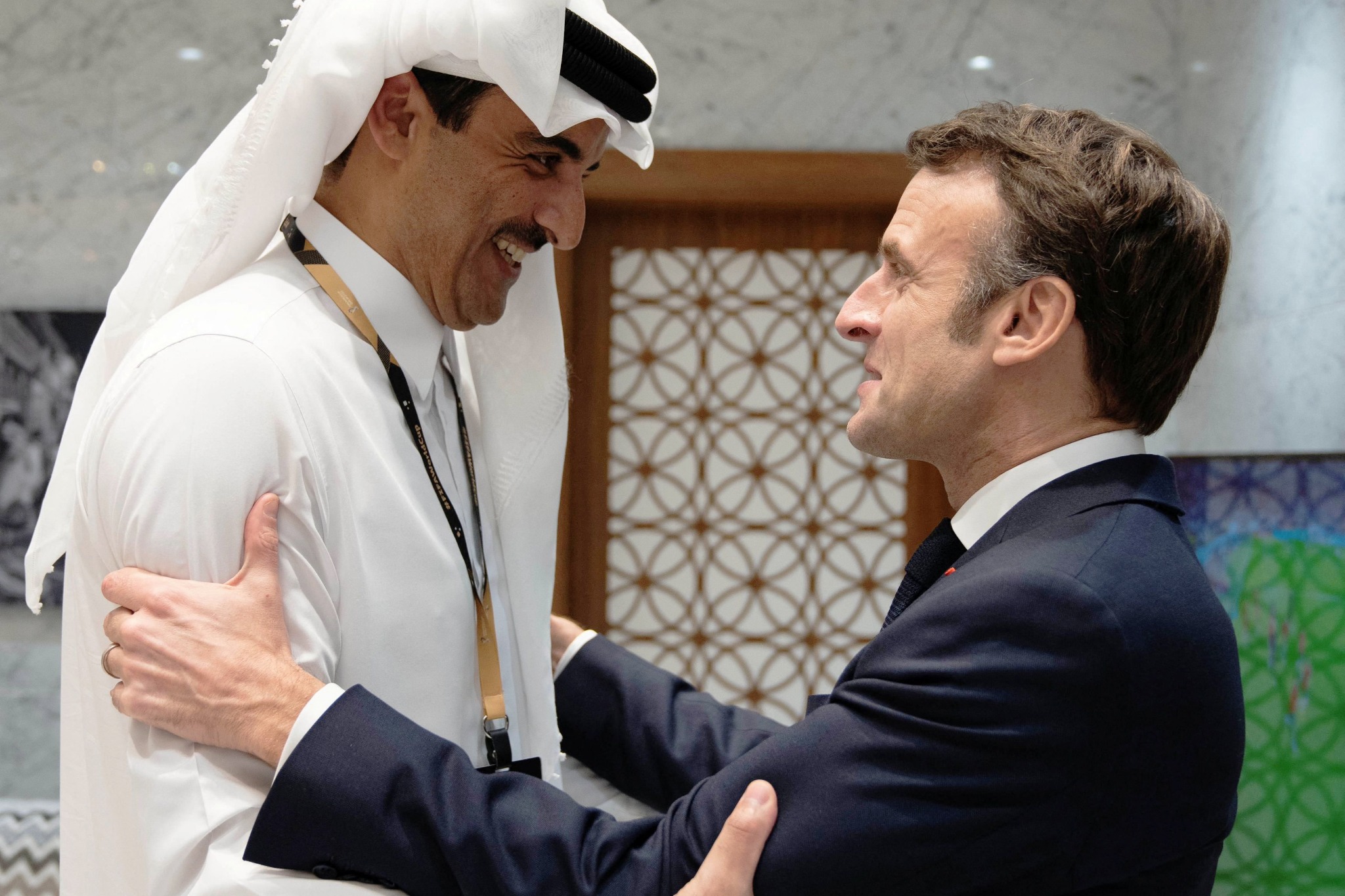
Combating Islamism in France: The Need for Coherence in Foreign Policy
Combating Islamism in France requires a coherent foreign policy. Foreign funding, ties with Qatar and Iranian operations show why.
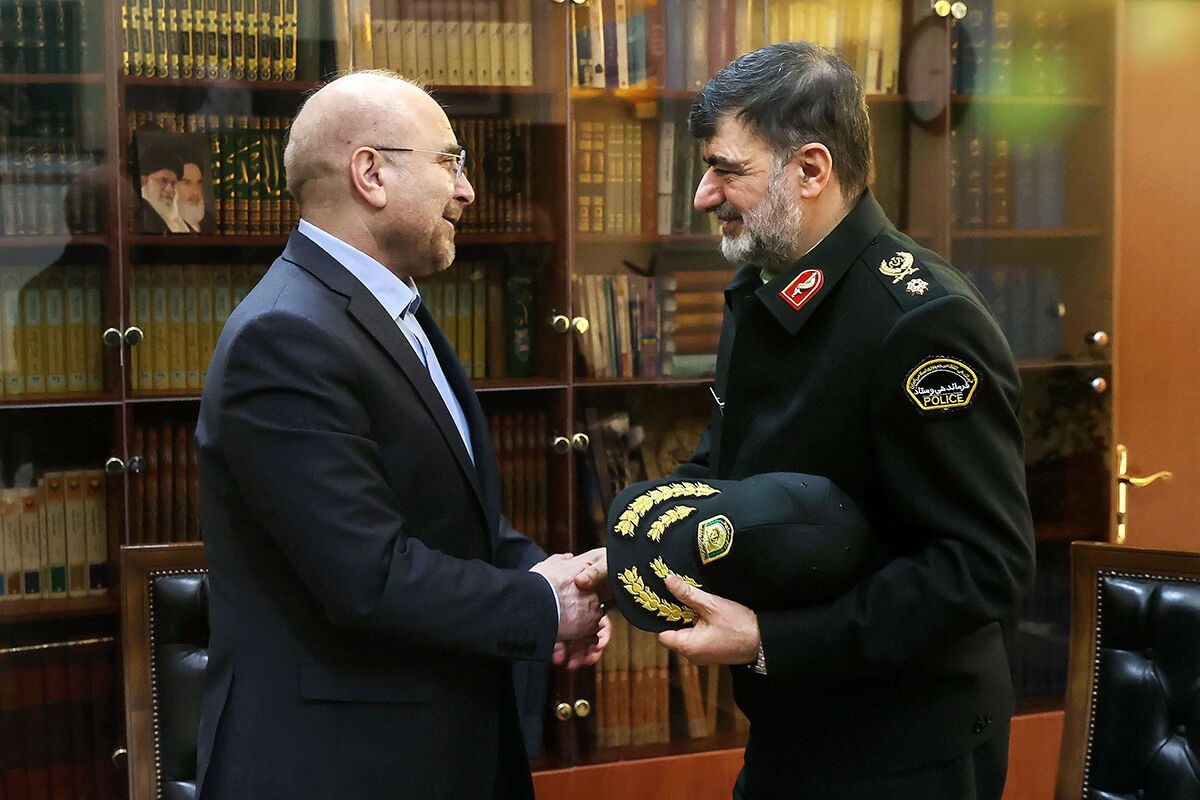
Iran’s Economic Crisis Is Reaching the Forces That Protect the Regime
Iran’s coercive apparatus depends not only on weapons and command structures, but also on salaries, benefits and oil-funded patronage. Economic pressure could test its cohesion during the next protest wave.

Why Washington Failed to See Iran’s Revolution Coming
Drawing on Scott Anderson’s King of Kings, this essay examines American blindness, the Shah’s indecision and the convergence of crises that enabled Khomeini’s ascent.
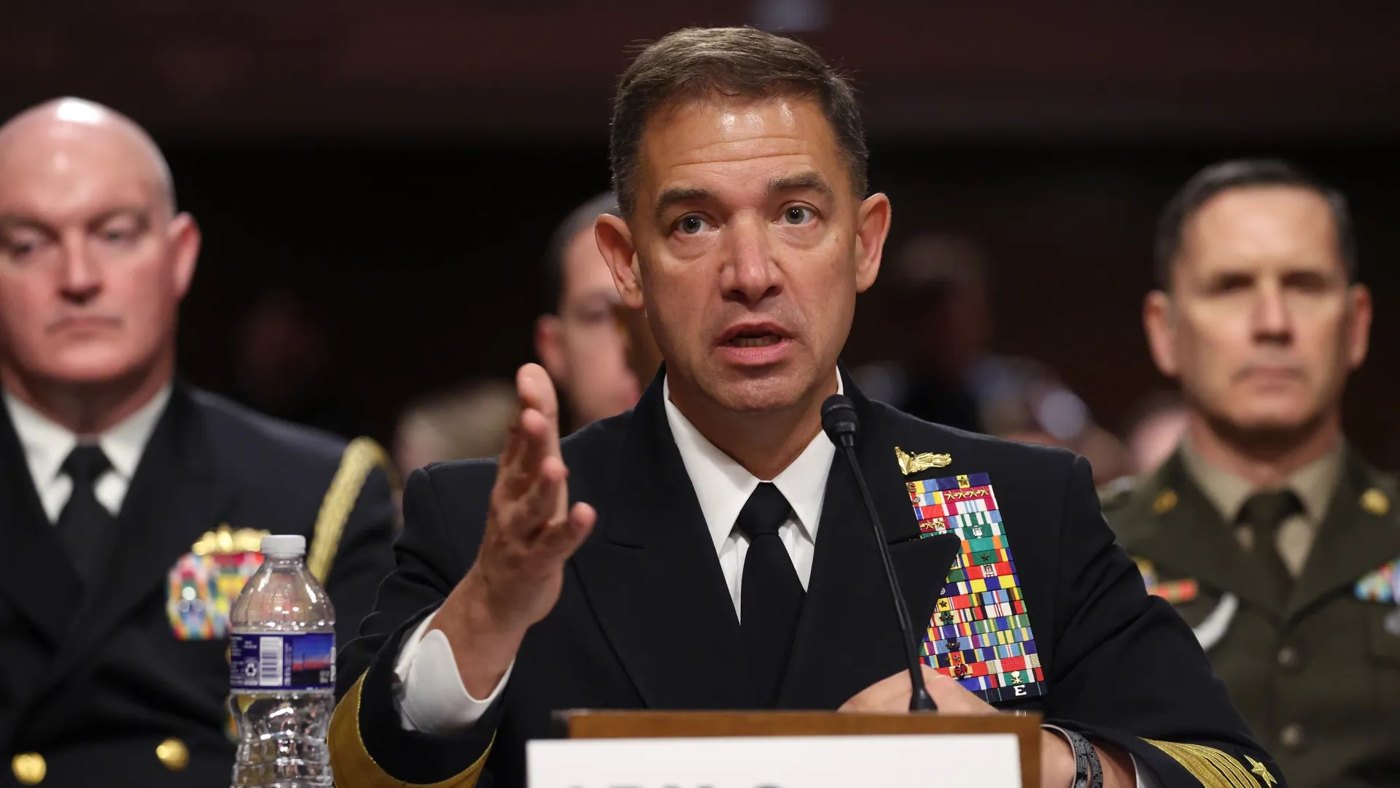
The War’s Second Phase Is About Denial—Not Yet Regime Change
Washington is preparing to prevent the Islamic Republic from rebuilding military power. That strategy may increase pressure on the regime itself, but the available evidence does not establish a shared policy of overthrow.
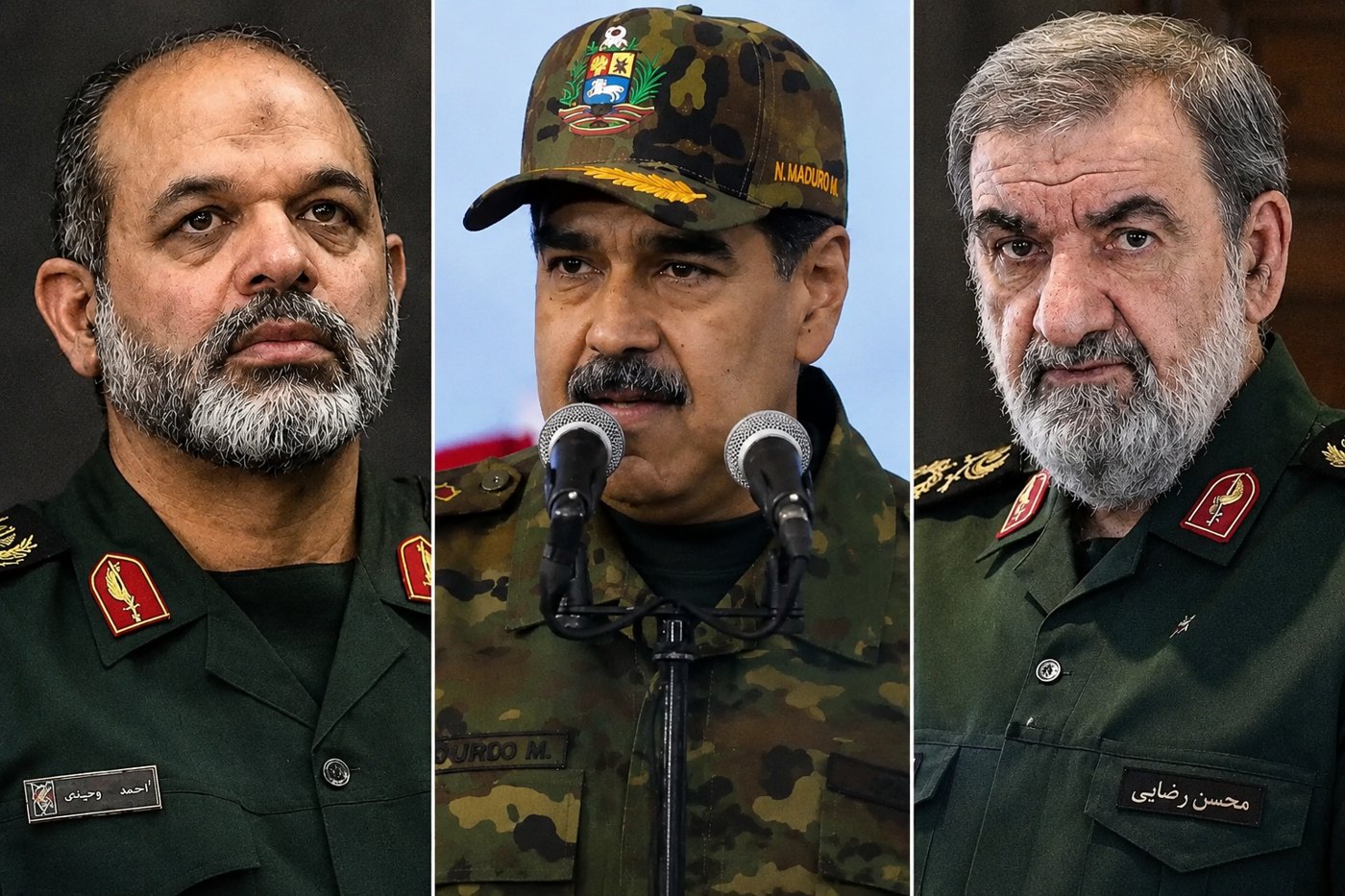
From Venezuelan Oil to the Islamic Republic’s Survival Crisis
Six months of war have not toppled the regime. They have altered its conditions of survival, bringing oil revenue, relations with China and the interests of Iran’s ruling institutions into a prolonged test of endurance.
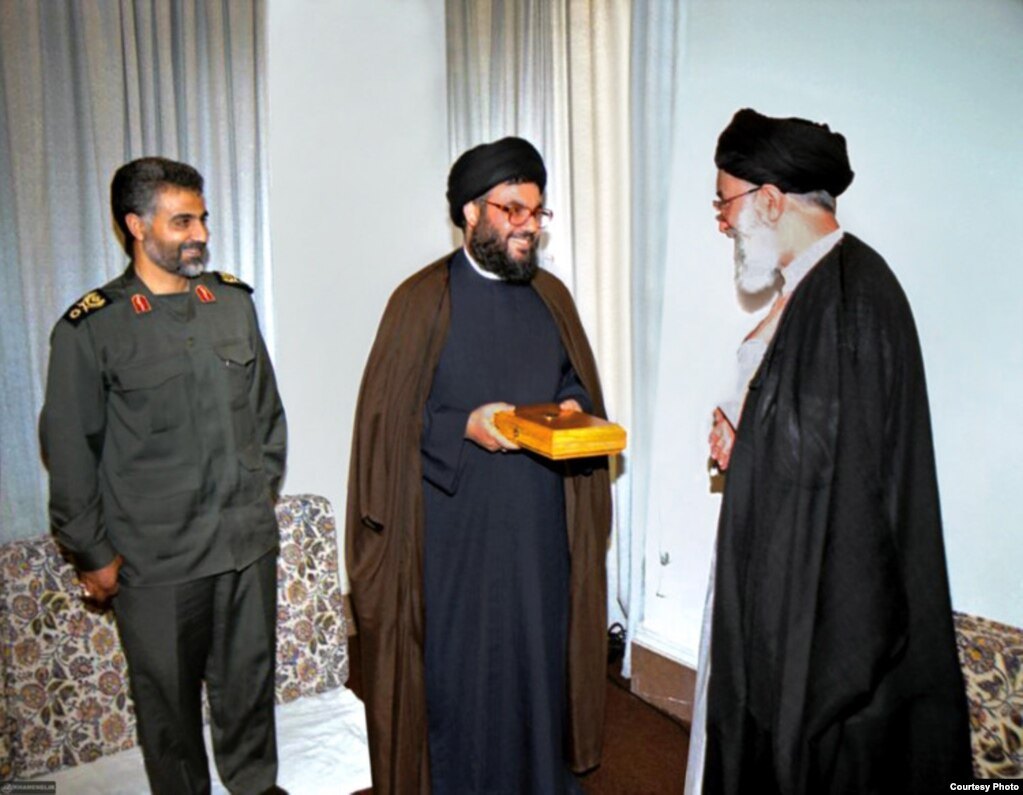
Iran and History’s Cunning: The Rise and Possible Decline of Political Islam
Iran helped bring political Islam to state power in 1979. The convergence of social change and regional decline may open a path beyond religious rule, but only a citizen-led political process can give that path legitimacy.