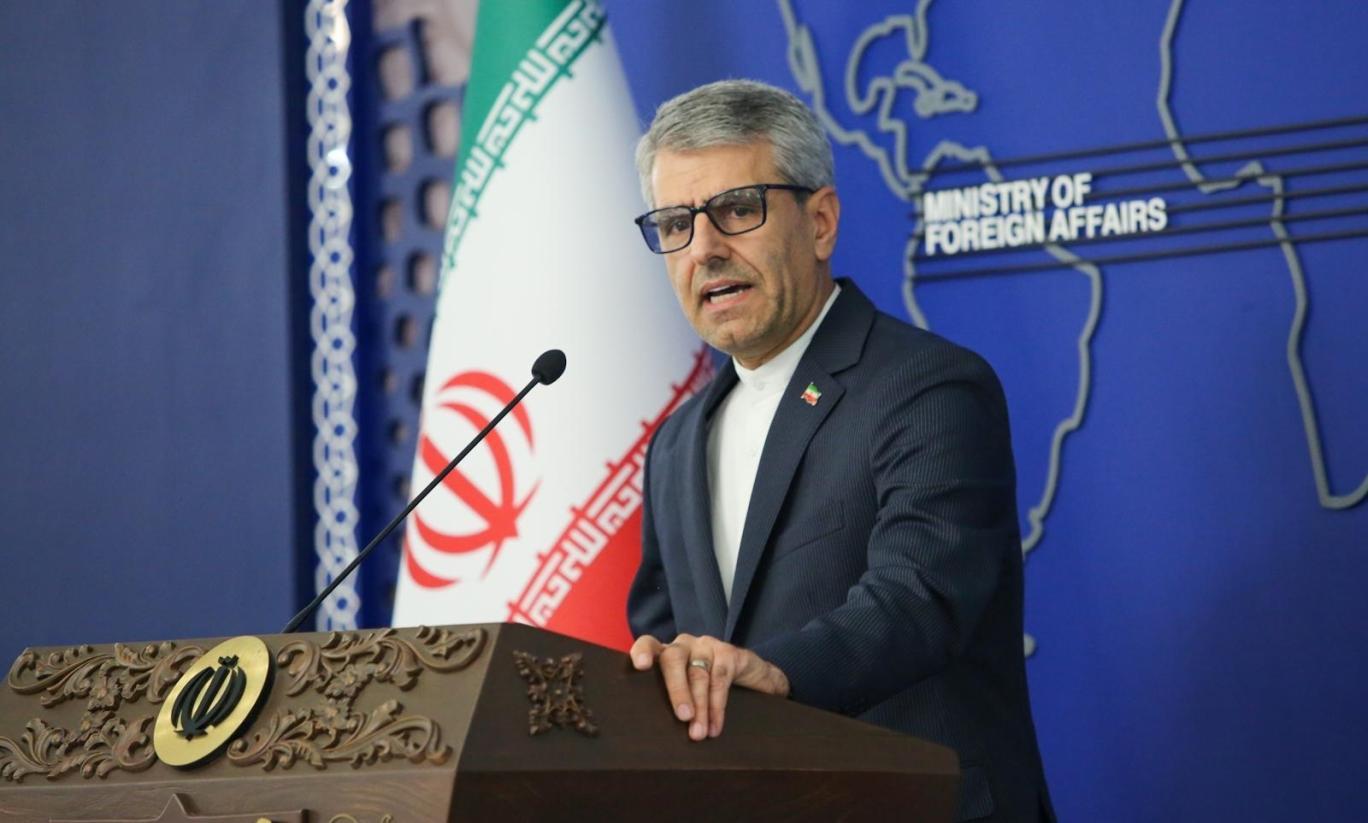
On the eve of Israel’s October 27 election, Esmail Baghaei, spokesperson for the Islamic Republic’s Foreign Ministry, says the outcome will make “no difference” to Tehran. There is some truth in that claim: Israel’s consensus against the Islamic Republic extends well beyond Benjamin Netanyahu. His principal challenger, Gadi Eisenkot, also regards Iran as a major strategic threat and does not rule out military force.
Yet the identity of Israel’s next prime minister still matters to Tehran.
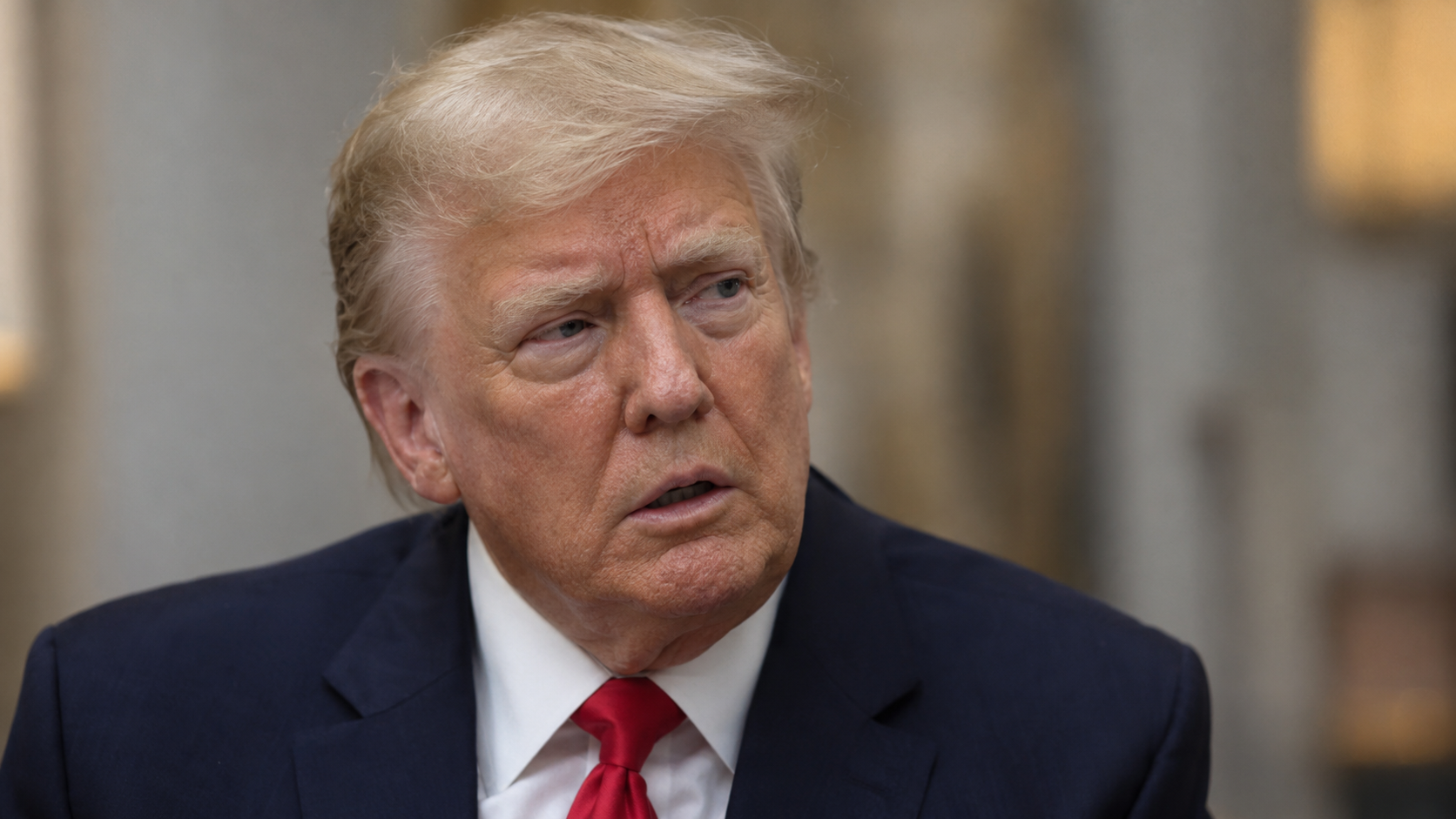
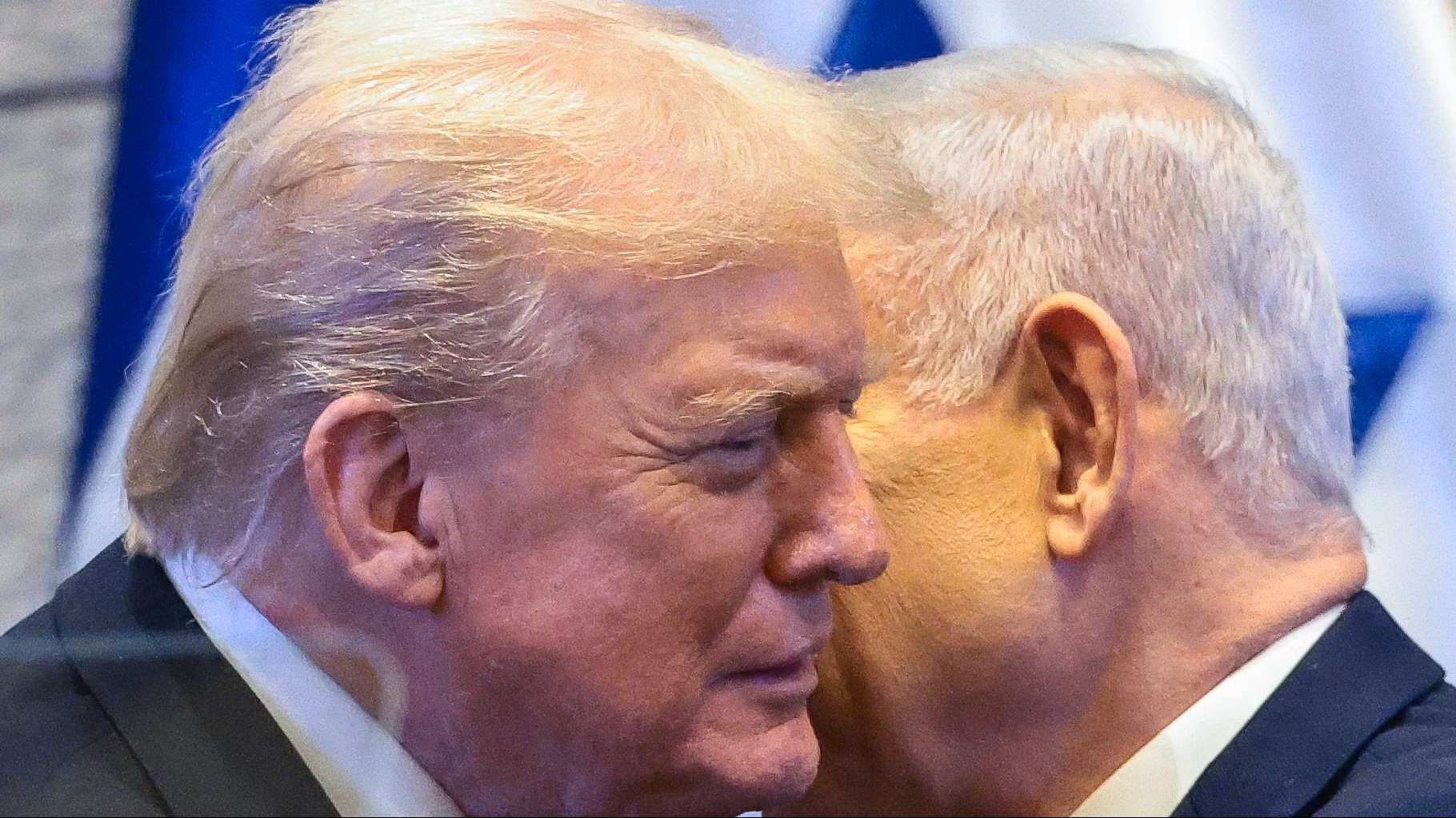
Netanyahu is currently the Israeli leader most explicitly committed to overthrowing the Islamic Republic. He says he has instructed the Mossad and the military to help achieve that objective, presenting Donald Trump’s presidency as a historic opportunity to “finish the job.” Trump himself has echoed that phrase while urging Israelis to reelect Netanyahu.
It would nevertheless be premature to infer that Israel and the United States have a coherent joint strategy for regime change.
Since February, Netanyahu appears to have been considerably more committed than Trump to bringing down Iran’s rulers. But Israel is unlikely to achieve an objective of that magnitude without extensive American military, logistical and political involvement. Trump, meanwhile, has repeatedly moved between two approaches: weakening the regime sufficiently to make its collapse possible, or using force to compel Tehran to accept an agreement.
Another major uncertainty concerns what would replace the Islamic Republic. No political strategy for that eventuality has been made public. Netanyahu has not explained which Iranian political force, domestic movement or institutional process could bring a new system into being.
That silence does not prove that no such plan exists. A destabilization or transition strategy developed by Israeli or American intelligence would, by its nature, be classified. The conclusion must therefore remain narrower: Netanyahu appears to want the regime’s downfall more than Trump does, but we do not know whether he now has a political and operational strategy capable of achieving it.
The central question is therefore this: what has changed since February that allows Netanyahu to claim he can now “finish the job”?
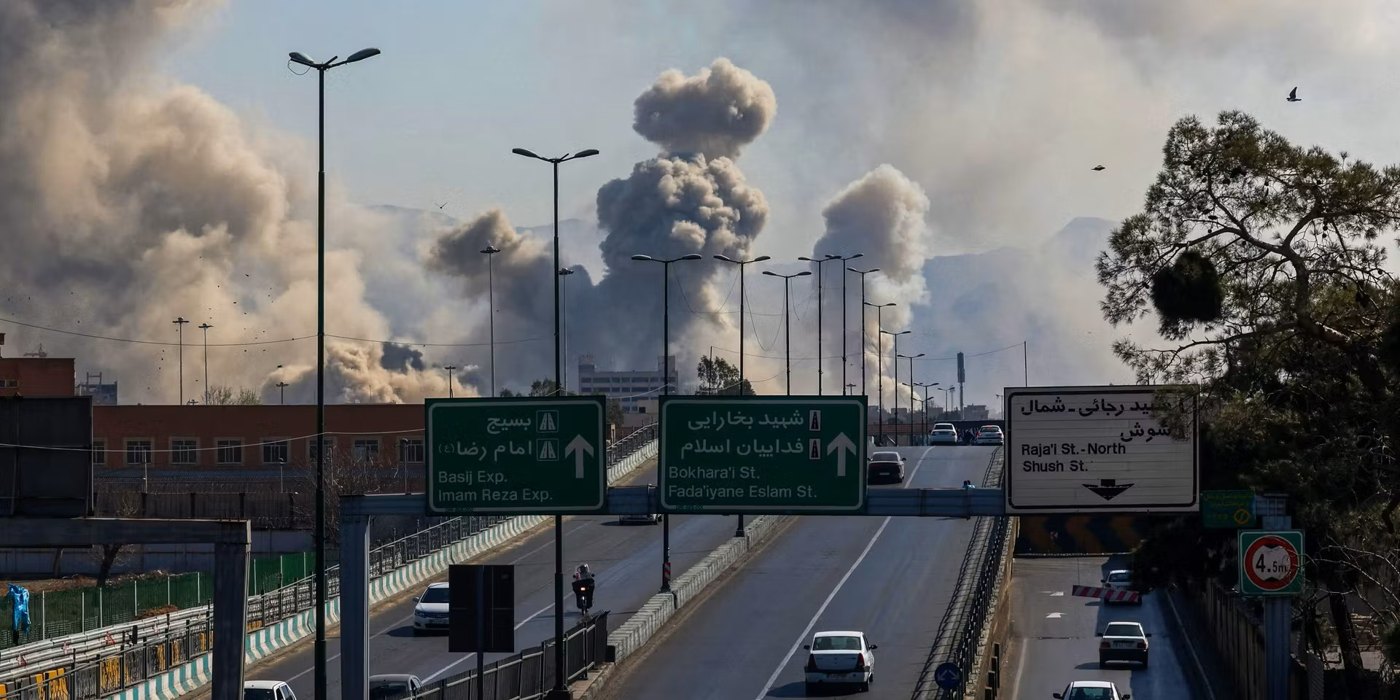
The Islamic Republic has been severely weakened militarily. But it has not fallen. Bombing, the killing of senior leaders and the destruction of military capabilities have not produced the political collapse some Israeli officials anticipated. Washington, meanwhile, has repeatedly sought a negotiated way out.
What has changed since February therefore concerns the balance of power and the means available more than the clarity of the political objective.
Netanyahu’s promise also serves an obvious electoral purpose.
For decades, he has made the Iranian threat a central pillar of his political legitimacy. His current argument is straightforward: Israel has already done much of the work; Trump has only two more years in office; and Netanyahu alone has the experience and personal relationship needed to make the most of that opportunity.
Whether that argument can determine the Israeli vote is another matter.
Available surveys suggest that Iran is not the leading concern across the electorate as a whole. It carries greater weight, however, among voters supporting the governing camp. The issue may therefore help Netanyahu turn out his existing supporters more than persuade large numbers of his opponents.
That is precisely why Tehran cannot be entirely indifferent to the outcome.
A Netanyahu defeat would eliminate neither Israel’s military doctrine nor the possibility of further strikes. But it would remove the leader who most closely links confrontation with Iran to an explicit objective of regime change, and who has been most active in trying to draw Washington toward that goal.
In the United States, the Iranian regime’s interest is clearer still. Republican losses in the November 3 midterm elections would not remove Trump from office, but they would increase the political and institutional constraints on further escalation.
Tehran’s underlying preference can therefore be expressed simply.
The regime does not necessarily need more sympathetic leaders abroad. It needs circumstances in which its adversaries have less freedom to resume and expand the war.
Baghaei is probably right about one thing: Israel’s policy toward Iran will almost certainly outlast Netanyahu.
For the Iranian regime’s survival, however, there remains a meaningful difference between confronting Israel without Netanyahu and confronting a reelected Netanyahu, backed by Trump and determined—at least in his public statements—to “finish the job.”