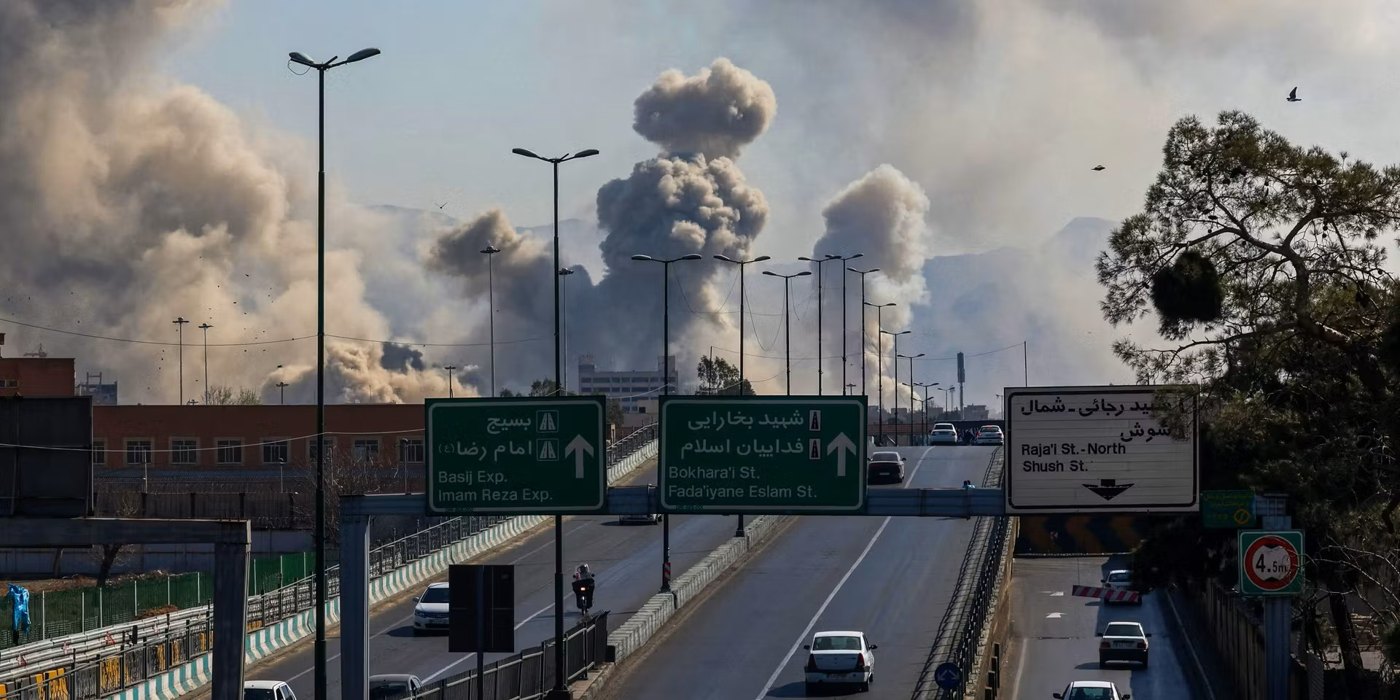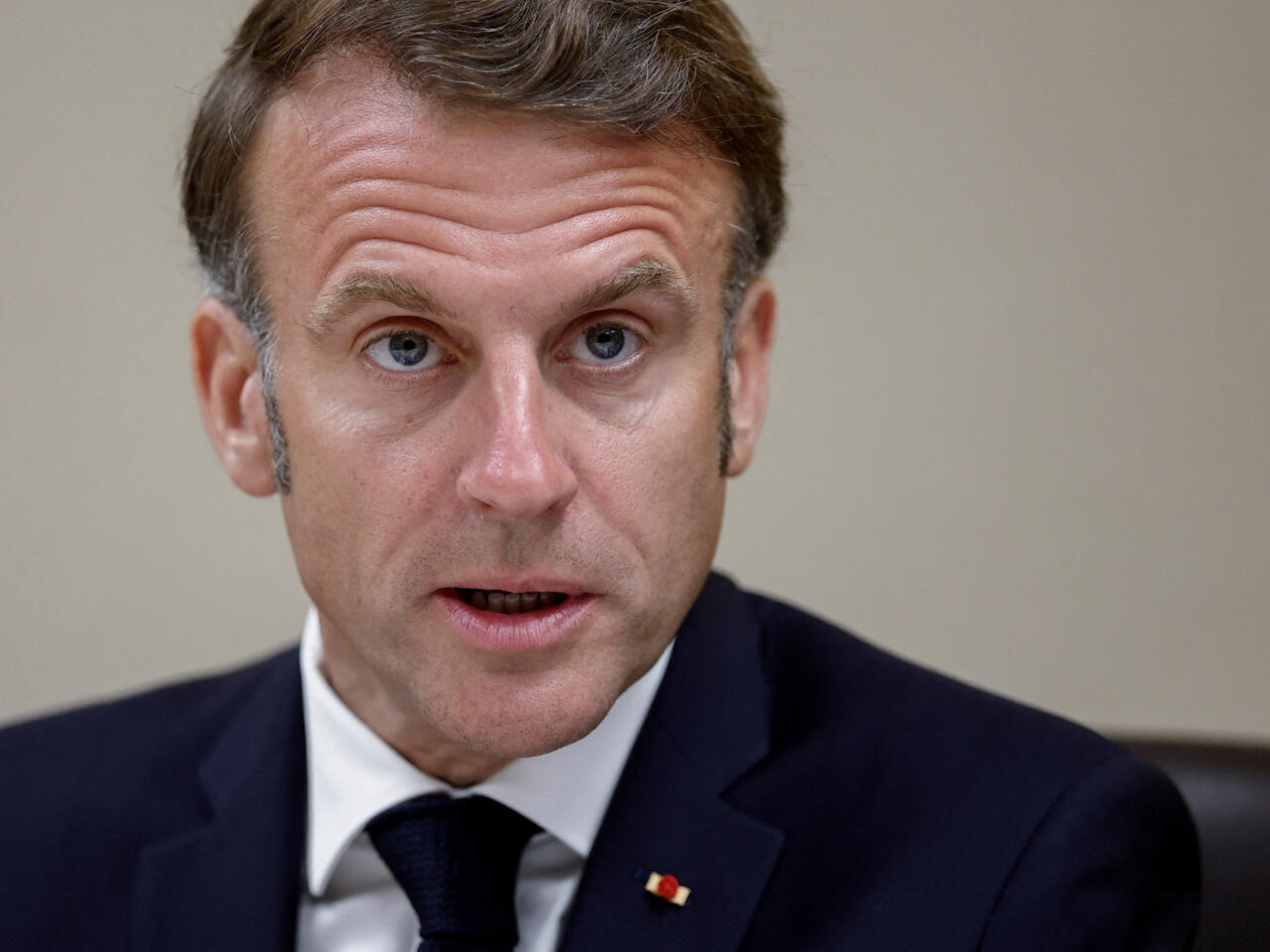
The unrest in France has domestic roots: economic pressure, social tensions and a crisis of political trust. Those roots do not prevent foreign governments from trying to exploit the situation, amplify its effects or deepen existing divisions.
Iran’s public criticism of France began before the violence of 17 October 2026. Its significance should be considered in light of two broader facts: Iran’s strategic cooperation with Russia and the documented use of criminal networks by Iranian intelligence services to conduct operations abroad, including in Europe.
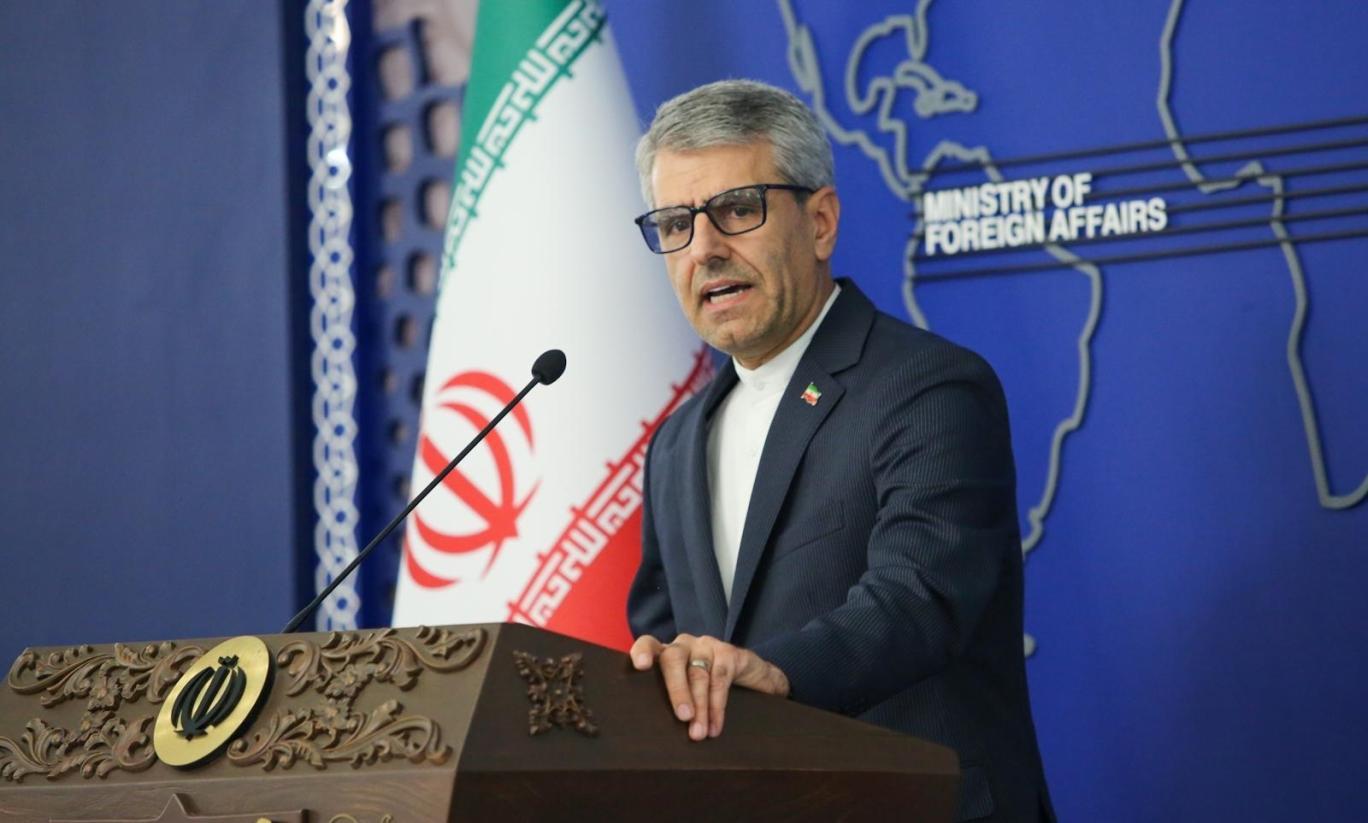
On 2 October, Iranian Foreign Ministry spokesperson Esmaeil Baghaei criticised the French authorities’ handling of protests. Iran summoned the French ambassador on 6 October; Paris summoned Iran’s ambassador the following day. The dispute moved from public statements to an official diplomatic confrontation. After the violence of 17 October, Foreign Minister Abbas Araghchi directly criticised Emmanuel Macron.
The chronology shows that Tehran’s public campaign preceded the looting and violence. It points to an effort to turn France’s criticism of repression in Iran back against Paris, weaken France’s international credibility and present the Islamic Republic’s own crisis of legitimacy as less exceptional to Iranian audiences.
Criminal networks: a documented operational channel
For several years, European investigations have pointed to Iranian intelligence services using criminal intermediaries to carry out operations abroad. Such networks can provide locally recruited operatives, create distance between planners and those carrying out an operation, and make responsibility harder to establish.
In France, the “Marco Polo” case brought to light plans for attacks involving individuals linked to drug trafficking. A DGSI assessment reported in 2024 described the growing use of ordinary criminals by Iranian services for operations against opponents of the regime and Jewish or Israeli targets.
On 10 June 2026, a joint statement by 24 governments, including France, condemned Iranian state threats and attacks abroad. It described the relationship between Iranian security services and international and local criminal groups as long-standing and condemned their use.
On 8 October, Le Monde reported that information shared by the FBI with French anti-terrorism judges linked the foiled bombing attempt outside a Bank of America branch in Paris to pro-Iranian groups. According to the report, two teenagers had been recruited for a few hundred euros to carry out the operation. They said they did not know it was a terrorist act. The investigation described several intermediaries between the groups and the young operatives.
These cases show that Iran-linked groups and intermediaries have used criminal networks in Europe. They do not show that those networks took part in the events of 17 October. They do make it necessary to look beyond propaganda when assessing the possibility of foreign interference.
Russia: strategic convergence, not proof of coordination
Russia has its own reasons to seek to weaken France’s influence. French military and diplomatic support for Ukraine places Paris among the European governments opposing Moscow’s invasion. That divergence of interests overlaps with Tehran’s own confrontation with Western governments.
Russian-Iranian cooperation goes beyond diplomatic alignment. The two governments coordinated their policies and military efforts in Syria and have deepened security and military ties, particularly since the war in Ukraine began. Their history of cooperation provides a basis for examining whether their capabilities could complement one another in efforts to influence events abroad.
Shared interests and past cooperation make coordination conceivable. They do not demonstrate that Russia and Iran coordinated over the French unrest in October.
Capabilities are established; involvement remains unproven
The geographical spread and scale of the 17 October violence, along with the authorities’ initial difficulty anticipating it, raise questions about France’s ability to detect and prepare for such a mobilisation.
Reports of foreign disinformation, claims in The Times that some participants may have been paid, and references to assessments by France’s SGDSN and VIGINUM concerning Tehran broaden the questions investigators must examine.
A crisis can begin within a country and still attract foreign interference. An outside power may exploit existing tensions, amplify them through information campaigns or seek to mobilise local intermediaries without controlling a protest movement as a whole.
In Iran’s case, three considerations belong in the same assessment: Tehran has a strategic interest in weakening Paris; Iranian services’ use of criminal intermediaries abroad is documented; and Iran has a history of security cooperation with Russia, which is itself in confrontation with France over Ukraine.
Together, these points justify investigating whether Iran sought to aggravate the unrest. They do not prove that it did. Establishing a link would require concrete evidence, such as funding, communications, intermediaries or instructions connecting foreign actors to groups involved in the violence.
The Islamic Republic’s interests and operational methods warrant scrutiny as France investigates the unrest. The central question is whether Tehran tried to turn an existing French vulnerability into an instrument of covert action.