Political Islam has become a major concern for the French authorities. Parliamentary inquiries, administrative reports and legislation seek to identify organisations that aim to turn religious affiliation into an instrument of social and political mobilisation. This effort takes place in a society where Muslims hold a wide range of beliefs and practise their faith in many different ways. Being Muslim must not be equated with adherence to Islamism. Islamist movements, however, primarily address this population and seek to turn shared religious references into resources for political influence.
Public space is one arena for this mobilisation. The veil, religious education, associations and certain communitarian demands may be given political significance. It is nevertheless essential to distinguish the strategies of organisations from the individual choices of believers. The issue is not the public expression of religious belief, which French laïcité does not in principle prohibit, but the possible attempt to subordinate common rules and individual freedoms to religious authority.
Yet an examination of Islamist networks reveals a dimension that national policies tend to address separately: their international relations. As early as July 2020, a Senate inquiry identified funding originating notably in Qatar, Kuwait, Saudi Arabia and Turkey, directed to places of worship and to associative, educational and social organisations. It noted that such funding could form part of foreign influence strategies, while sometimes resulting from requests by organisations established in France. Above all, it pointed to an inconsistency in the French authorities’ approach: they denounced certain foreign influences without giving comparable attention to Saudi and Qatari involvement. 1
The issue therefore goes beyond the administrative oversight of associations. When a state provides sustained funding to religious institutions or ideological networks abroad in order to expand its influence, this is also an aspect of its foreign policy. It can help reshape social and political relations in the countries concerned. Foreign funding alone is not enough to establish that an organisation is Islamist; its origins, beneficiaries, aims and uses must be established. But the separation between domestic policy and international relations becomes artificial when the same networks operate in both spheres.
France has strengthened its financial transparency requirements, notably through the law of 24 August 2021. According to a Senate report published in 2024, Muslim religious organisations declared €21.3 million in foreign funding between April 2022 and July 2024. This figure may not represent all funding flows, and there is no basis for treating it as funding for Islamism as a whole. It does, however, confirm the existence of transnational channels that warrant evidence-based scrutiny. 2
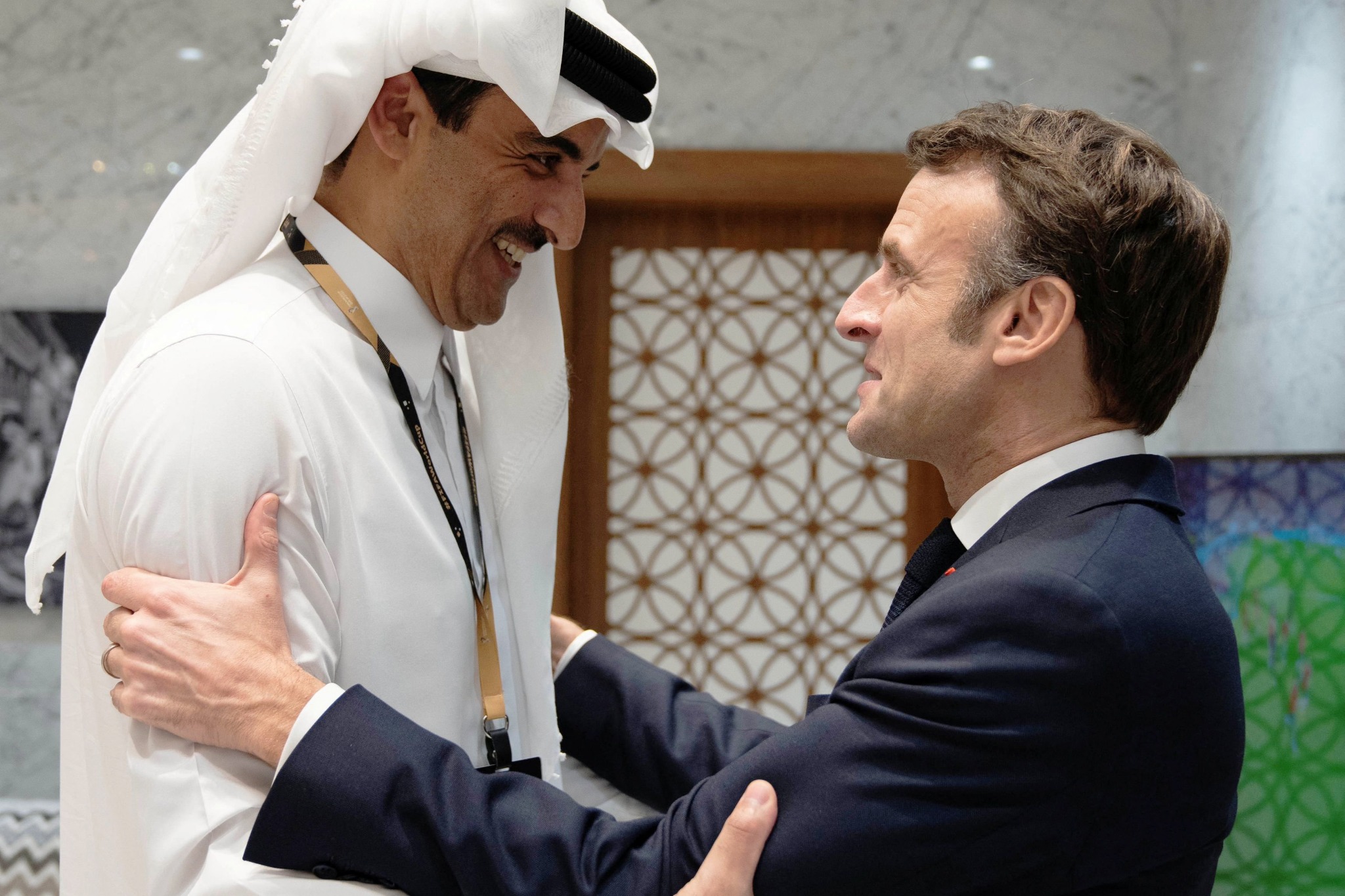
The difficulty takes on an additional political dimension when the states concerned are important economic and strategic partners. Qatar, historically close to certain currents linked to the Muslim Brotherhood, announced in February 2024 a €10 billion investment commitment in France. Saudi Arabia and the United Arab Emirates, by contrast, opposed the Muslim Brotherhood’s political expansion after 2011. These states are therefore not pursuing a common Islamist strategy. Their differing policies nonetheless raise the same question: to what extent can diplomatic and economic interests affect France’s vigilance towards its partners’ influence activities? 3
This issue is not limited to France. The European Union, too, is developing economic and security partnerships with the monarchies of the Persian Gulf. The first summit between the Union and the Gulf Cooperation Council, held in Brussels on 16 October 2024, marked a deepening of these relations. Funding, ideological networks and influence operations can cross the borders of several member states. The Union has significant powers in areas such as sanctions, anti-money-laundering measures and police cooperation, while the organisation of religious affairs and much of internal security remain the responsibility of member states. This division of responsibilities does not remove the need for a common approach to transnational influence. 4
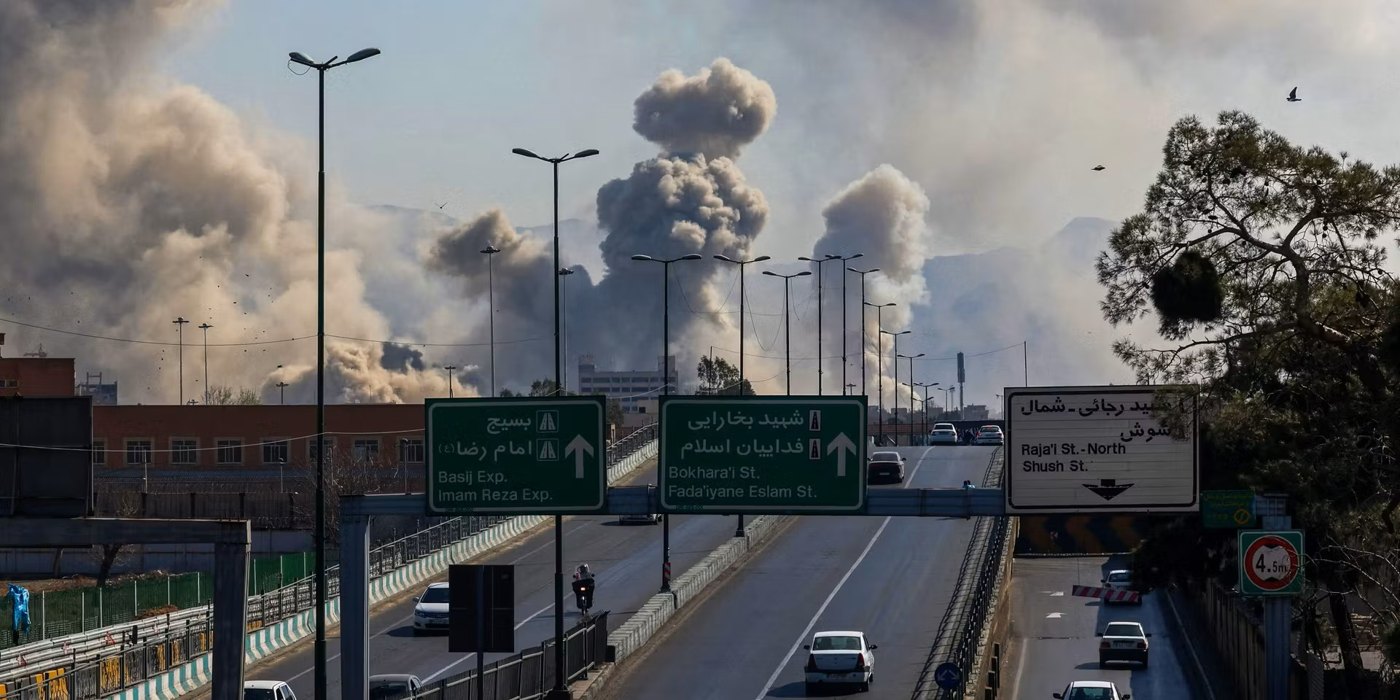
The Islamic Republic of Iran presents a distinct configuration, one that is particularly troubling for European security. Beyond spreading its political ideology, the Iranian regime conducts clandestine operations against dissidents and other targets abroad. These activities may involve intermediaries from organised crime, including drug trafficking.
On 15 July 2025, the Council of the European Union sanctioned the Zindashti criminal network, which is linked to Iran’s Ministry of Intelligence, along with several of its members. It specifically identified the role of the network’s leader, described as a drug trafficker, in transnational repression operations. This cooperation between state services and criminal organisations points to an operational link between some drug-trafficking activities and violence pursued for political ends. 5
The European Union also added the Islamic Revolutionary Guard Corps to its list of terrorist organisations on 19 February 2026. The decision, accompanied by the freezing of relevant assets and financial restrictions, shows that European institutions can link a regime’s activities abroad to the security of their own territory and draw political and legal consequences from that assessment. 6
It would nevertheless be wrong to conflate the Islamic Republic’s clandestine operations with the activities of Sunni Islamist networks. Their methods, structures and immediate objectives differ. Examining them together is justified by a shared question: how do European states respond to the domestic repercussions of political strategies developed abroad?
This question also concerns the convergence observed between parts of the radical left and certain Muslim circles in France. The transformation of labour mobilisation, and the growing prominence of discrimination, identity and international politics, have changed relations between political organisations and Muslim populations.
The fundamental difficulty ultimately lies in the coexistence of two rationales. On the one hand, France and the European Union seek to curb Islamist influence, monitor certain forms of foreign funding and combat clandestine operations that threaten their security. On the other, their relations with Middle Eastern powers serve economic, energy, diplomatic and strategic interests. These priorities may be legitimate, but they are not necessarily compatible with the stated aims of domestic policy.
An effective effort against political Islam cannot therefore be separated from a coherent foreign policy. It requires not only oversight of organisations and their funding, but also scrutiny of the international strategies that may support them, the interests that shape European states’ responses, and the differences in how partners are treated.
The coherence at stake does not require equating all Muslims with Islamists or treating every Middle Eastern power as part of a homogeneous bloc. On the contrary, it requires distinguishing between actors and their methods while refusing to let diplomatic interests shield certain foreign influence activities from rigorous scrutiny. The administrative separation between domestic and foreign policy cannot justify treating them as politically independent when their effects converge within European societies.