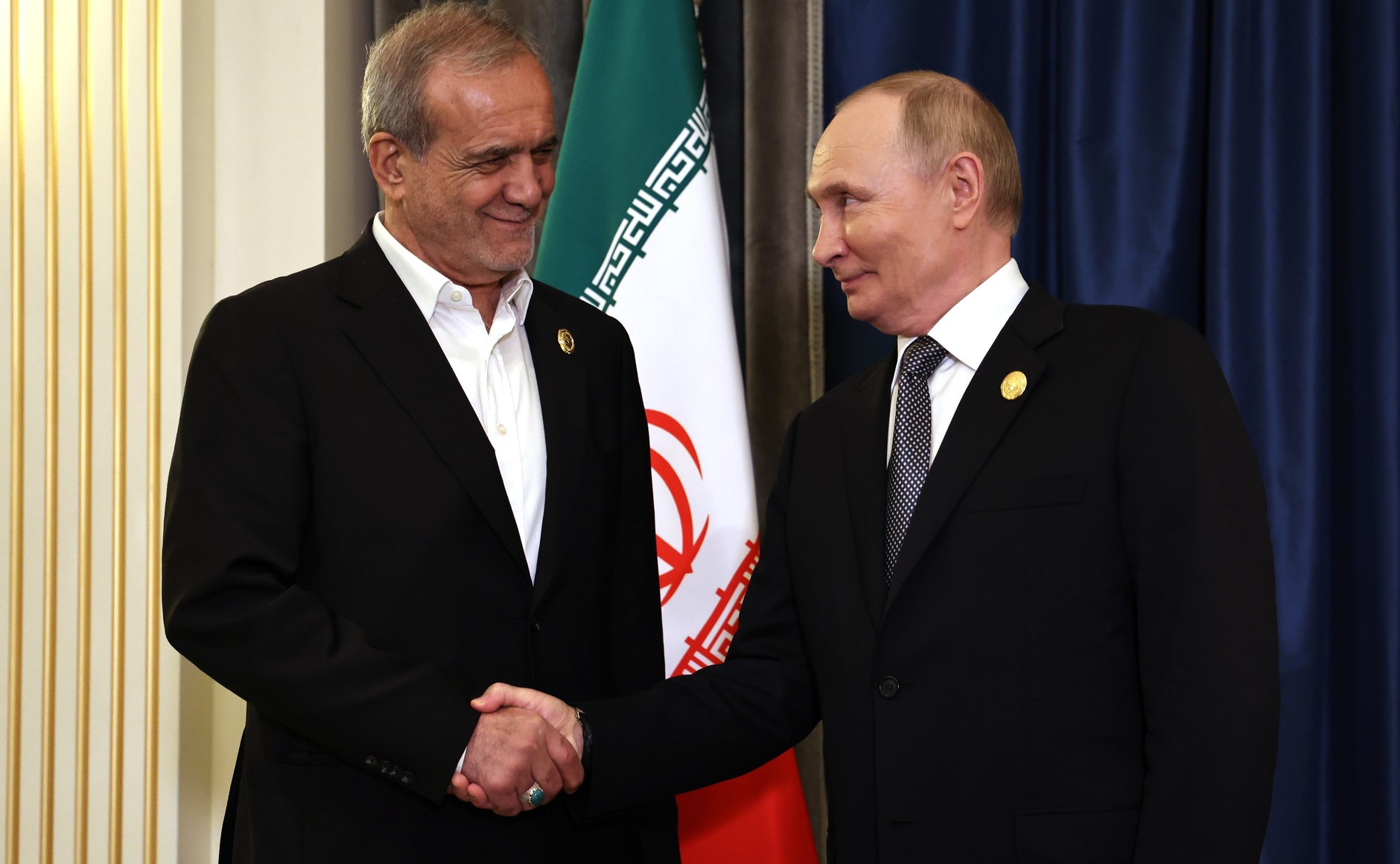
The meeting between Vladimir Putin and Masoud Pezeshkian comes at a moment when the Islamic Republic faces two parallel paths. One leads towards dialogue and mediation. The other involves preparations by U.S. Central Command, CENTCOM, for the possible resumption of large-scale attacks against the regime in Tehran.
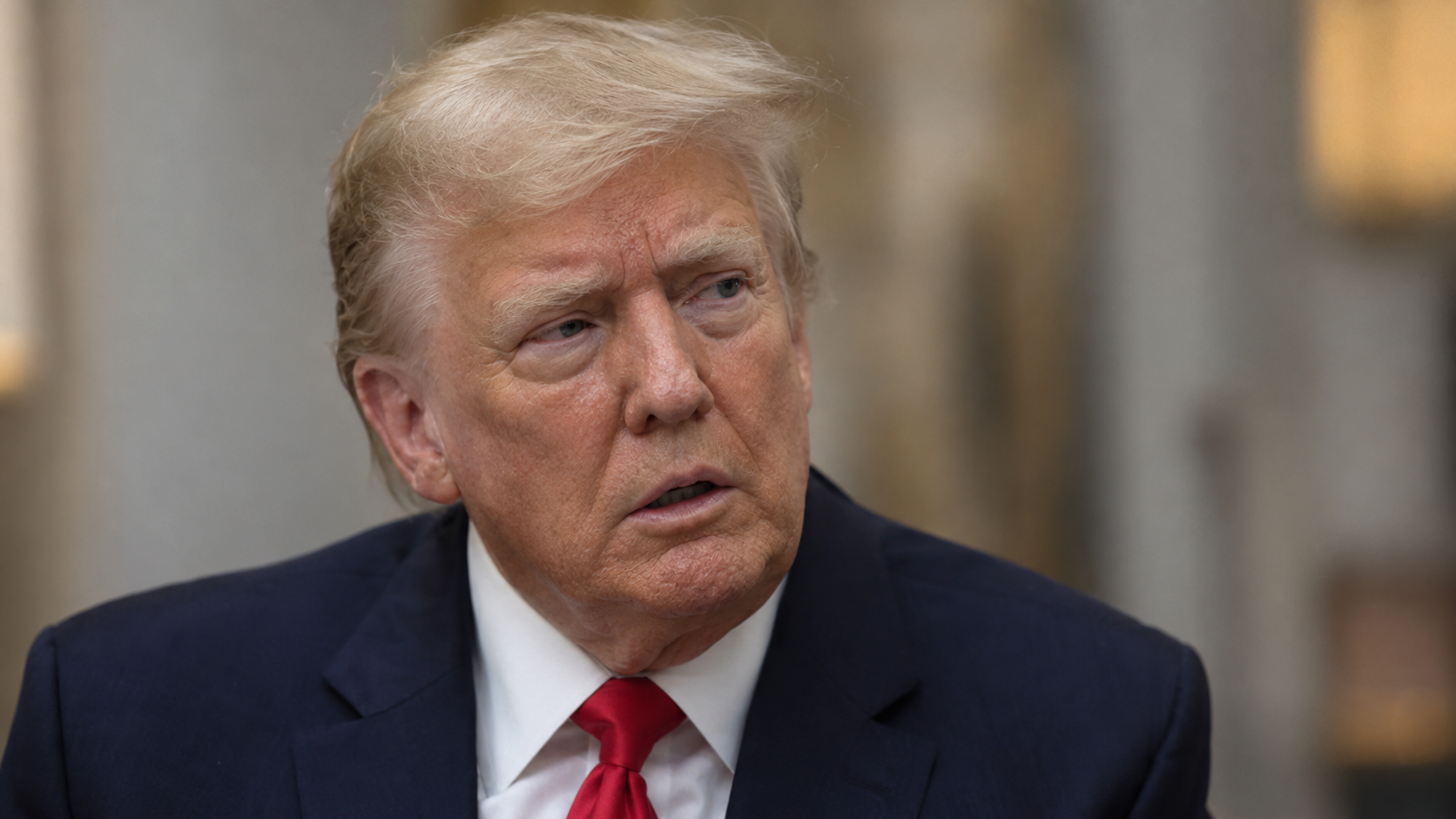
Donald Trump has said that no new offensive will take place before the November 3 midterm elections. Rather than ruling out another attack, his statement appears to confirm both the reality of the military preparations and the postponement of a final decision. Under these circumstances, Putin’s offer to help end the war cannot be dismissed as a merely diplomatic gesture.
The first question is what Moscow expects to gain from assuming such a role. The continuing crisis in the Strait of Hormuz and the rise in oil prices have not harmed Russia, at least as far as energy revenues are concerned. If the Kremlin is now expressing a willingness to help bring the war to an end, it must see a more important advantage in doing so. That advantage may lie largely outside the Islamic Republic’s own file.
Russia is itself engaged in a war of attrition in Ukraine. Putin’s problem is not simply how to end that war. He needs a way out that does not require him to accept the appearance of defeat. He needs an agreement that he can present as the consolidation of Russia’s gains. He must also demonstrate that Russia remains a power with which the United States has no choice but to negotiate. From this perspective, the Islamic Republic’s crisis could become an instrument for Moscow in a much broader bargain with Washington.
The Islamic Republic faces a similar problem, although from a considerably weaker position. After sustaining heavy military blows and suffering an erosion of its regional standing, the Iranian regime needs a “face-saving” exit. It needs an outcome that can be presented at home not as surrender, but as the preservation of the system and the removal of an immediate threat.
Russia offers the Iranian regime an advantage that Qatar, Pakistan and Turkey do not. Moscow is not merely a messenger. Putin is a direct interlocutor of Washington. He is the leader of a nuclear power, and he has assets to trade in other international disputes.
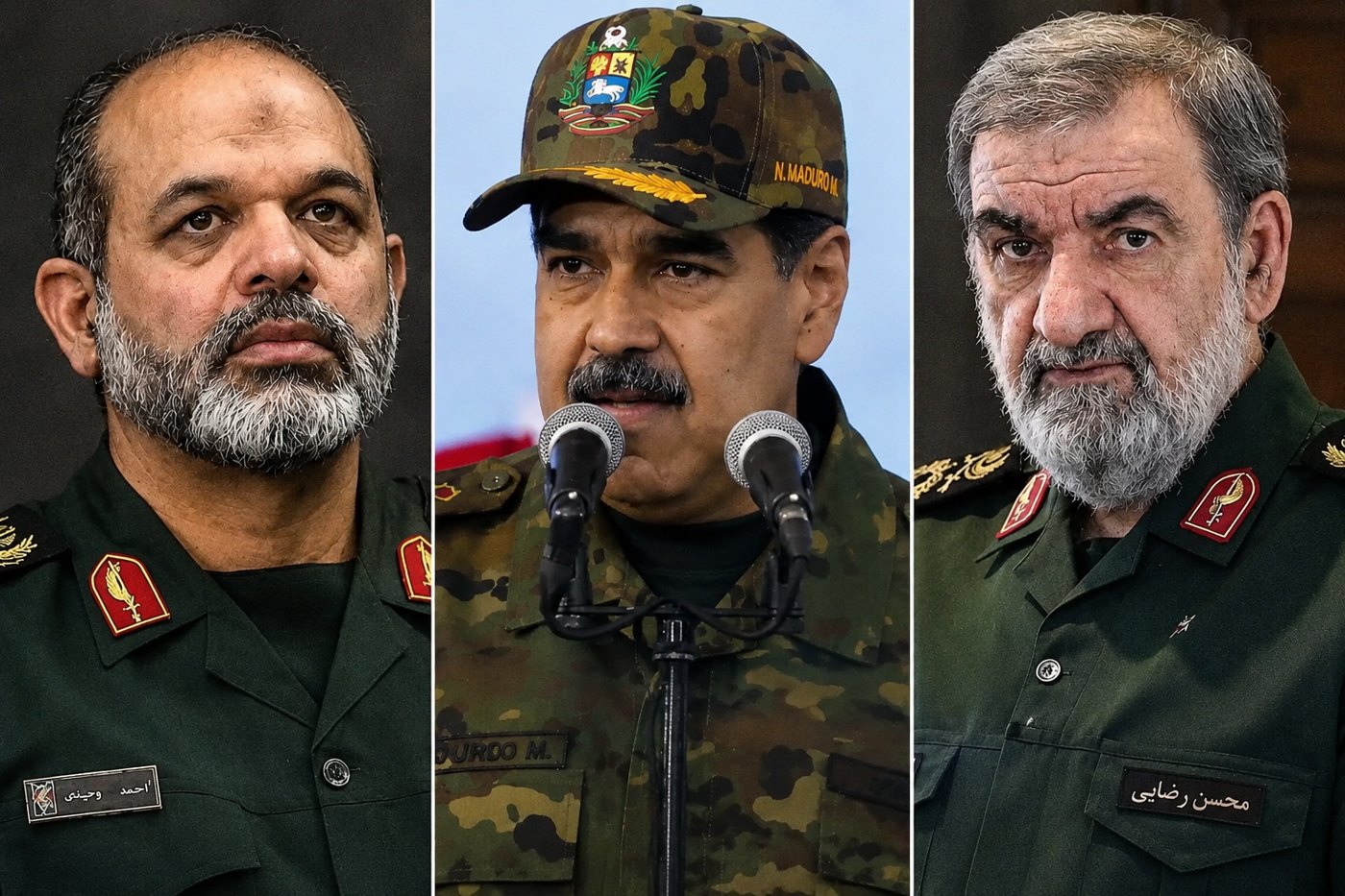
Tehran’s decision to turn to Putin may therefore have been taken at the level of the ruling system as a whole, rather than being a personal initiative by Pezeshkian. One may even ask whether this choice is most closely aligned with the outlook of the Revolutionary Guards and the regime’s security apparatus, the part of the establishment that regards Russia as the Islamic Republic’s closest strategic partner among the major powers.
It is difficult to imagine Pezeshkian entering talks with Putin at such a sensitive moment without the backing of the main centres of power. His involvement may itself reveal the regime’s concern and its awareness that the threat of renewed large-scale military attacks is serious.
The issue, therefore, is not merely a request for mediation. Genuine mediation requires authority. If Putin does nothing more than convey the positions of Tehran and Washington, he has little advantage over Qatar. His role becomes significant only if he knows how far the Islamic Republic is prepared to retreat, which concessions it is willing to accept and where its red lines lie. In that case, Moscow would assume part of the management of the crisis on Tehran’s behalf.
The relationship between the two sides would then begin to resemble a transaction more than an alliance. Russia’s interests and those of the Islamic Republic are not identical. Putin may favour the survival of the Islamic Republic, but not at any price. If the Iranian file can provide Russia with bargaining value over Ukraine, sanctions, energy or relations with the United States, there is no reason to assume that Tehran’s interests will take precedence over Moscow’s. In such circumstances, Iran could cease to be a partner and become one of Russia’s bargaining chips.
The central question, then, is not whether Putin can replace Qatar. It is whether Russia intends to use the Islamic Republic’s need for an exit from the war to strengthen its own position against Washington. Both Putin and the Iranian regime need a way out, but their bargaining power is not equal. Russia still possesses independent global leverage. The Islamic Republic has become more dependent than ever on external support.
If Moscow’s mediation also fails, the fundamental question will return with even greater force. Will the United States resume its attacks against the Islamic Republic after November 3? If it does, what will the objective be this time? Greater pressure followed by another ceasefire? Or the imposition of conditions that the Islamic Republic would no longer have any meaningful role in determining?
If Trump returns to the military option after the failure of Qatari and Russian mediation and the breakdown of negotiations, it will be difficult to regard the decision as merely a continuation of the previous policy. Such a development could indicate that the option of a negotiated settlement has lost ground in Washington. A different logic may then prevail. Bringing the Islamic Republic to the point where it must choose between accepting imposed conditions and placing its own survival at risk.
Seen in this light, the meeting between Putin and Pezeshkian may be more consequential than it appears. It may reveal the extent to which the Islamic Republic now depends on Russia for a way out of the war, and how far Putin is prepared to place that dependency at the service of his own, broader bargain with the United States.