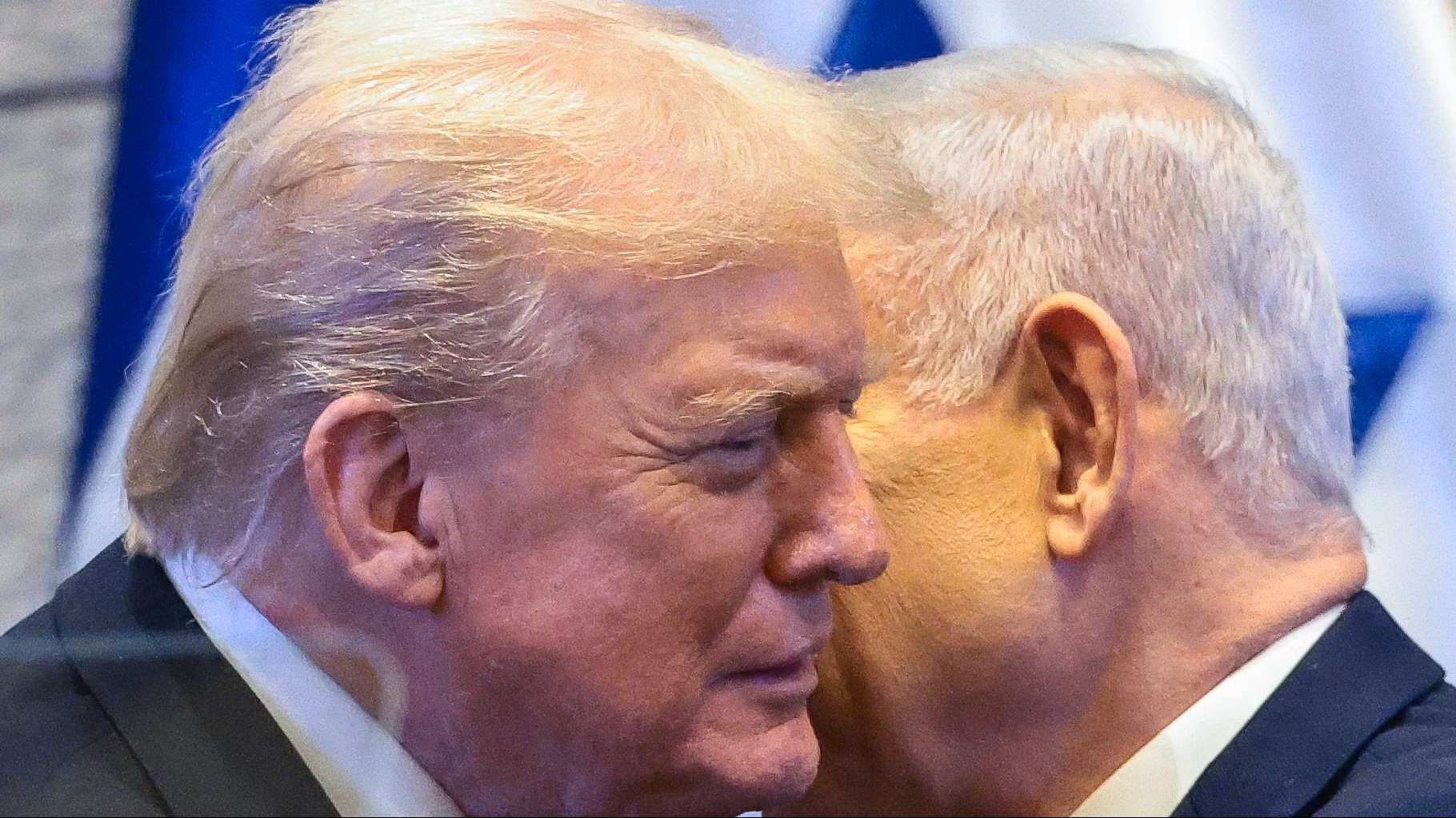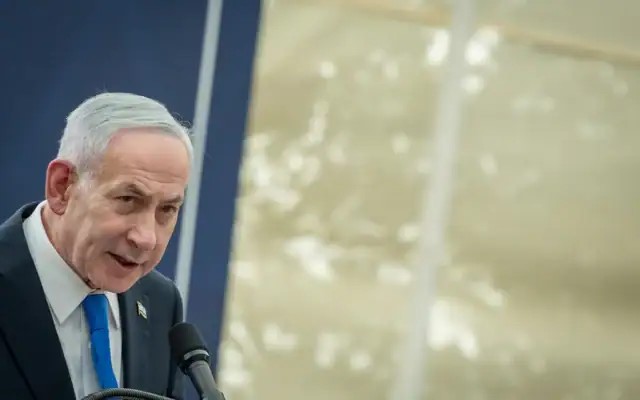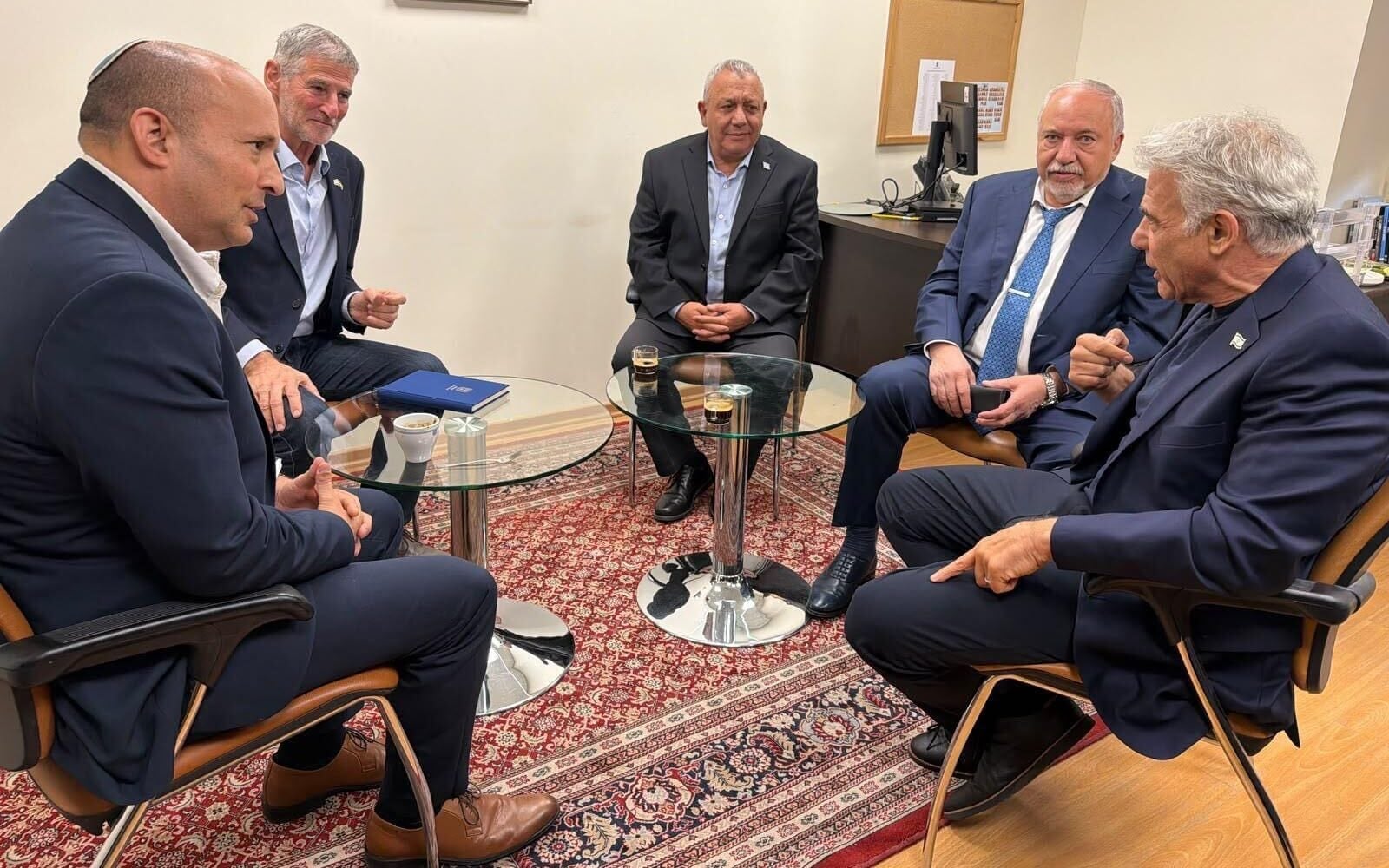
In Israel, neither bloc secured a majority in October’s election. Gadi Eisenkot, who has until early December to form a government, is negotiating with Likud, Benjamin Netanyahu’s party. The talks have focused mainly on the coalition’s composition and domestic issues. Does the apparent absence of disagreement over Iran point to a strategic consensus—or conceal differences over the war’s objectives?
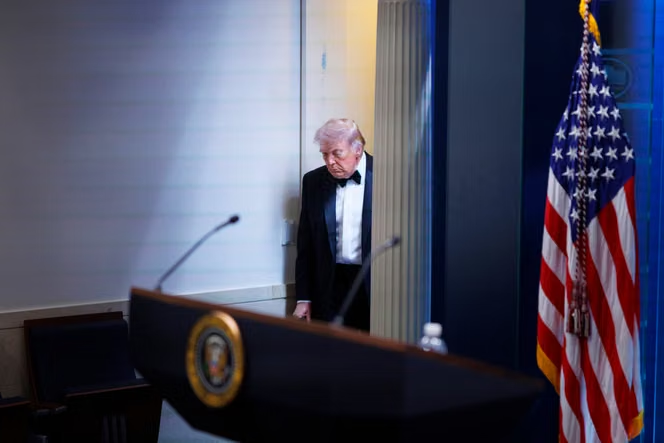
In the United States, Democrats’ victory in the November elections will give them control of both chambers of Congress from January 2027. Donald Trump will remain in charge of foreign policy, but he will face an opposition with greater means to exert political and budgetary oversight. Could the choices of Israel’s next government influence the direction of U.S. policy?
This double political reshuffling creates an opening for a strategic reassessment. But to what end?
The military campaigns of 2025 and 2026 weakened Iran’s capabilities without dismantling the mechanisms that allow the Islamic Republic to survive and rebuild its strength. Another campaign pursuing the same objectives could therefore produce the same results. Destroying the regime’s military assets is not, by itself, a political solution.
The regime’s most significant vulnerability may lie at home: its confrontation with a deeply discontented population bearing the costs of repression, economic crisis and war. Yet, in the face of the state’s coercive apparatus, that population lacks comparable means to turn its discontent into a decisive shift in the balance of power.
Support for Iranians’ access to information, their ability to communicate and organize independently, and their capacity for civil resistance would therefore be more than an expression of democratic solidarity. It would also be a long-term security strategy—one that could help shift the balance of power inside Iran without dictating the country’s political future from abroad.
That potential convergence faces competing interests. Several regional states prioritize immediate stability over political transition. Russia and China, for different reasons and to varying degrees, have an interest in preserving their relations with Iran’s rulers. Those considerations could find a receptive audience in the Oval Office and encourage a settlement that leaves the regime in place.
The strategic choice, then, is not simply between continuing the war and negotiating an end to it. It is between a settlement that leaves the political sources of the threat untouched and an approach that gives Iranians the means to shape their own future.
The latter would address a factor that military operations alone cannot resolve: the relationship between Iranian society and the power that determines the country’s course.
For Israel, the United States, Europe and the countries of the region, the decisive question is whether their security can rest in the long term on limiting the Iranian regime’s military capabilities alone, while setting aside the possibility that Iranians themselves could change their country’s political direction.
Without an answer to that question, the end of the war may prove little more than a pause before the next crisis.