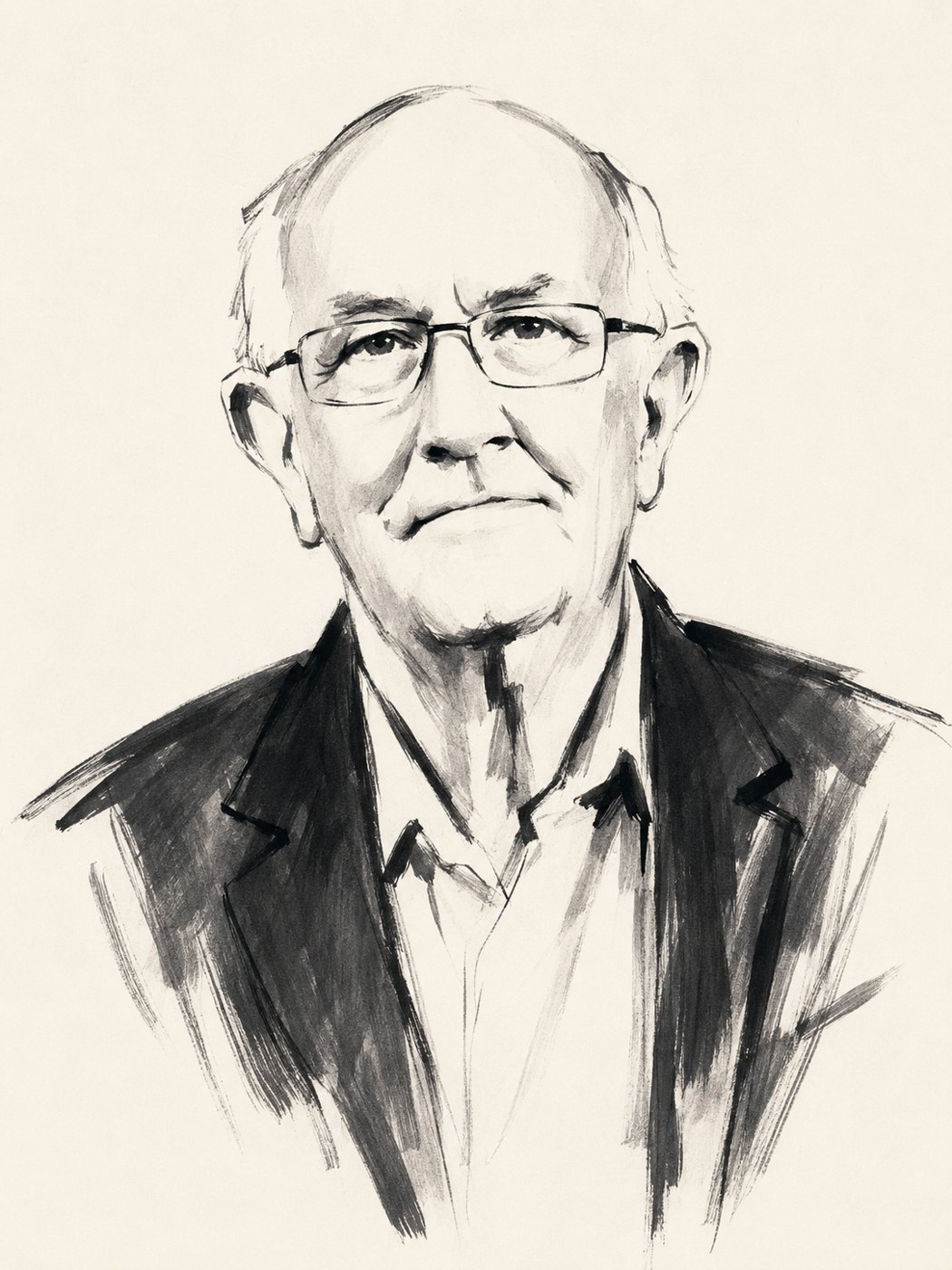
A French Jew should not have to answer for the actions of Israel’s government. For Marcel Gauchet, the weakening of that elementary distinction is one consequence of a deeper change: antisemitic ideas can survive the rejection of racial doctrine by finding a new political vocabulary.
In an interview published in the French weekly L’Express on 11 June 2026, Gauchet examines why the expectation that antisemitism would recede after the Holocaust proved misplaced. He had assumed that the collapse of biological theories of race, together with the existence of Israel, would undermine its intellectual foundations. A visible state seemed difficult to reconcile with the old fantasy of an invisible Jewish power directing world affairs.
From imagined financial power to geopolitical suspicion
His argument is that Israel can instead become the vehicle for renewing that fantasy. In some accounts of Western domination, the state and its relationship with the United States acquire an explanatory power far beyond any assessment of particular policies. The imagined force once located in Jewish finance is relocated in geopolitics.
Gauchet associates this shift with parts of postcolonial discourse and narratives organised around the Global South. In his reading, the Gaza war following the attacks of 7 October 2023 intensified a stark moral opposition: Palestinians appear as absolute victims, while Israel becomes the embodiment of Western domination. The danger he identifies is that a political conflict becomes a universal explanation, and that responsibility for government decisions is transferred to Jews collectively.
The distinction matters. Opposition to Israeli policy is not inherently hostility towards Jews. The issue is the move from criticism of identifiable decisions to collective blame or claims of hidden control. Gauchet’s interpretation addresses that move; it cannot replace careful examination of the words, actors and circumstances in each case.
He also places some contemporary left-wing discourse in a longer history. Criticism of wealth and privilege has sometimes attached itself to a supposed Jewish concentration of power. In his account, the same mechanism can operate around Israel’s strategic alliance with the United States. This is his reading of a political imagination, rather than a description applicable to every critic of that alliance.
France’s promise of equal citizenship
For Gauchet, the consequences in France extend beyond attacks and threats to a broader climate of suspicion. Jewish citizens can find themselves treated as representatives of a foreign government. His concern about the public vocabulary surrounding the war addresses that conflation; it should not be mistaken for a legal ruling on the conflict.
He discusses, too, fears concerning Jean-Luc Mélenchon, the leading figure of the radical-left movement La France insoumise, potentially taking power. Gauchet locates the danger chiefly in the reactions of part of its social constituency, rather than in an official government programme. It remains a political assessment, not a forecast presented as fact.
Despite these concerns, he rejects the conclusion that Jews have no future in France. His qualified confidence rests on the country’s traditions of equal citizenship and critical memory. The decree of 27 September 1791 recognised Jews’ civil and political rights. The Dreyfus affair—the wrongful conviction of a Jewish army officer and the struggle for his rehabilitation—later tested the Republic’s commitment to truth and justice. Gauchet sees in that struggle a moral foundation of republican life.
The historian and Resistance fighter Marc Bloch offers another reference. France honoured him alongside Simonne Bloch at the Panthéon, its national memorial, on 23 June 2026. Gauchet’s interest in Strange Defeat, Bloch’s account of France’s collapse in 1940, connects historical understanding with the responsibility to confront political failure.
The result is neither reassurance that history cannot repeat itself nor acceptance that Jewish life in Europe is doomed. Gauchet’s argument is that the resources for resistance remain available, but must be used. Equal citizenship is undermined whenever people are assigned responsibility by origin; historical memory loses its force when it recognises hatred only in the language of the past.