Modern societies can organise production, administer services and enforce decisions on an immense scale. None of those capacities, by itself, establishes a right to rule. Jürgen Habermas devoted his work to the gap between the exercise of power and its justification: could the people subject to a decision also take part in examining its reasons?
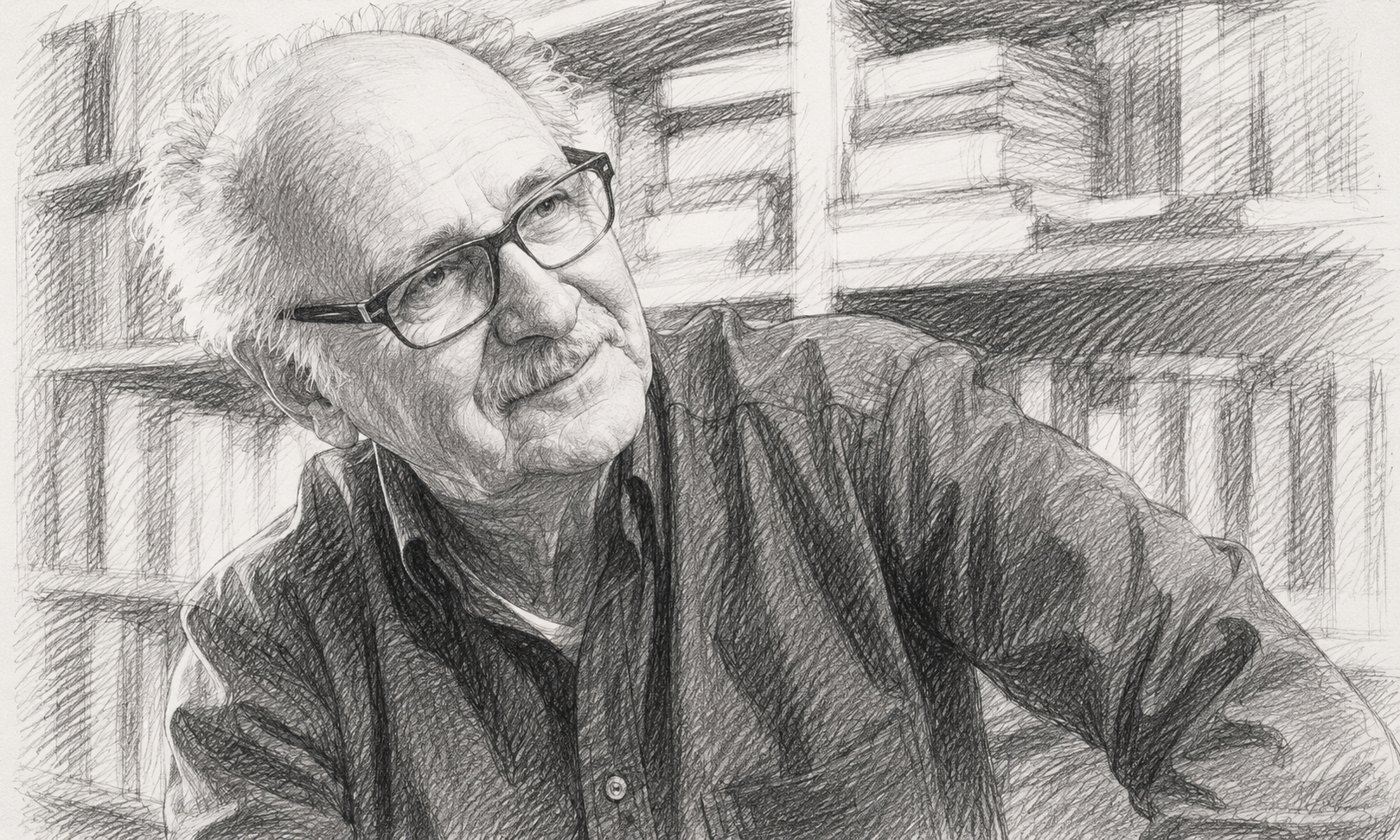
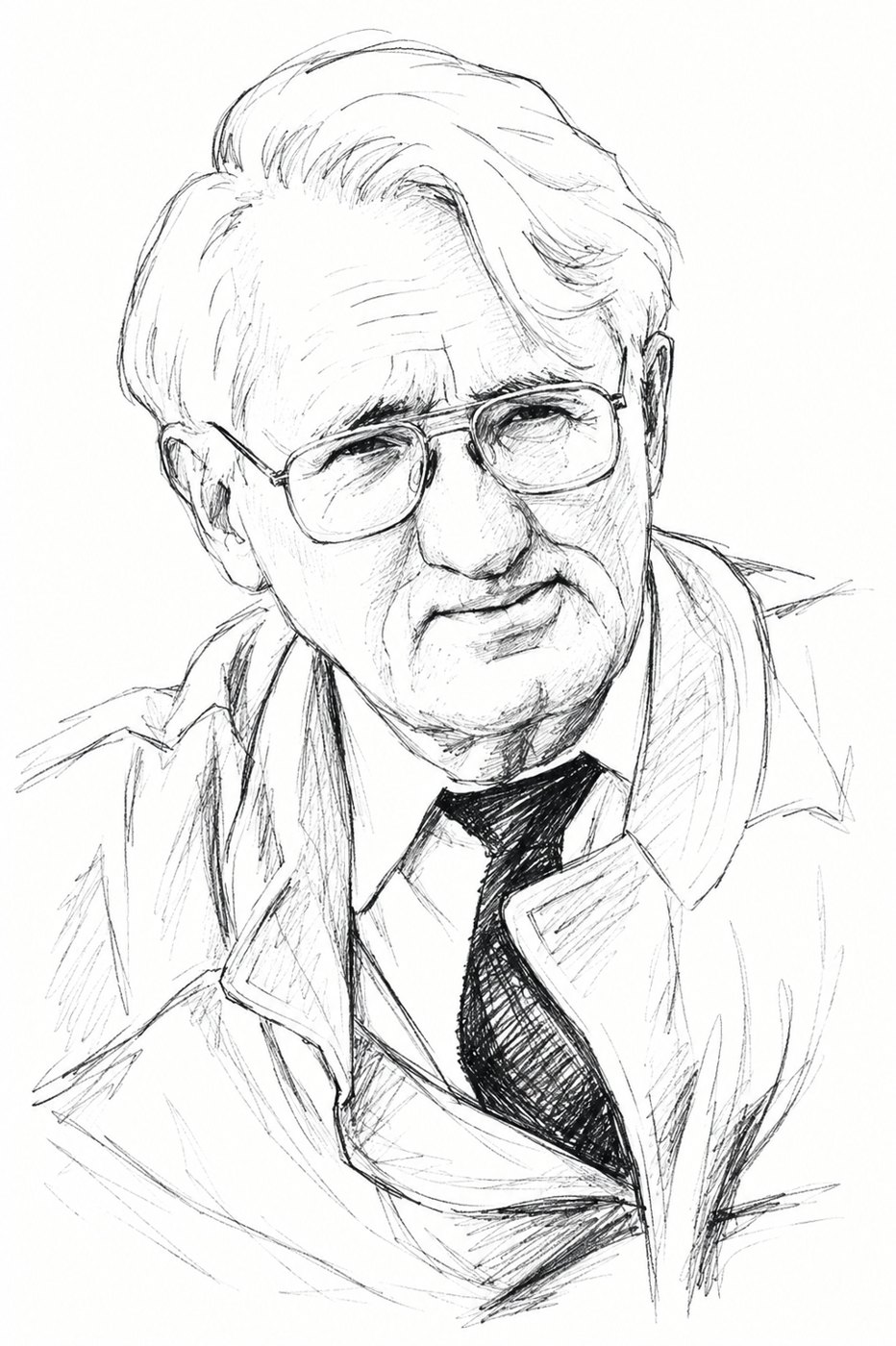
Habermas died in Starnberg on 14 March 2026, aged 96. His importance lay in connecting that democratic question to a theory of society, while remaining an active participant in public argument. A leading figure in the Frankfurt School’s second generation, he sought to preserve the emancipatory promise of reason rather than abandon it to the forces that claimed to speak in its name.
When institutions crowd out understanding
The Theory of Communicative Action, published in 1981, distinguishes communication directed towards mutual understanding from action directed towards strategic success. The difference concerns how agreement is reached. Reasons must be open to challenge; compliance secured through pressure is not equivalent to an agreement participants can justify.
His distinction between system and lifeworld gives that argument a social setting. Markets and administrative institutions coordinate activities through money and power. The lifeworld supplies the shared meanings, cultural resources and relationships through which people make sense of their lives together. These are different forms of coordination, not simply good and bad halves of society.
The danger arises when economic and bureaucratic mechanisms displace communication in areas that depend on it. Habermas described this encroachment as the colonisation of the lifeworld. Civil society draws on those everyday resources but is more specific: associations and movements bring experiences and demands into public debate. It cannot simply be used as another name for the lifeworld.
That concern was already present in The Structural Transformation of the Public Sphere, published in 1962 from his habilitation research. By tracing the emergence of public discussion in bourgeois society, Habermas showed that citizens’ capacity to scrutinise authority depends on historical institutions and practices. Democratic reasoning needs somewhere to happen.
A philosopher answerable to public debate
Born in Düsseldorf in 1929, Habermas grew up under Nazism. The post-war confrontation with its crimes shaped his commitment to democracy and Germany’s historical responsibility. During the Historians’ Dispute of the 1980s, he challenged interpretations that relativised Nazi crimes. Critical memory was part of democratic political culture, not an obstacle to it.
His public interventions extended the task of philosophy into political life. The thinker who demanded that power give reasons also exposed his own positions to argument. His intellectual work continued into old age: in 2019, he published a substantial philosophical history of the relationship between faith and reason.
For Habermas, the Enlightenment remained unfinished. Its promise depended neither on expert authority nor on the assumption that people would agree whenever they talked. It depended on the possibility of testing claims, revising judgments and shaping common decisions without treating citizens merely as objects of administration. That is the democratic demand his work leaves behind: power must remain answerable to those over whom it is exercised.