Islam and Islamism: Power, Modernity and Politics
Analysis of Islam, Islamism, religious totalitarianism and the relationship between religion, modernity and political power in Iran and France.
Articles in this topic
5 articles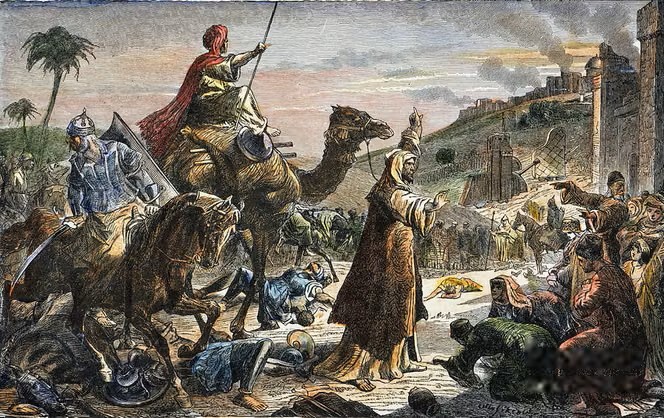
Islamism, Totalitarianism and Modernity: An Interview with Mehdi Mozaffari
Mehdi Mozaffari discusses Islamism, totalitarianism and the historical obstacles to critical thought and modernity in Iran and Muslim societies.
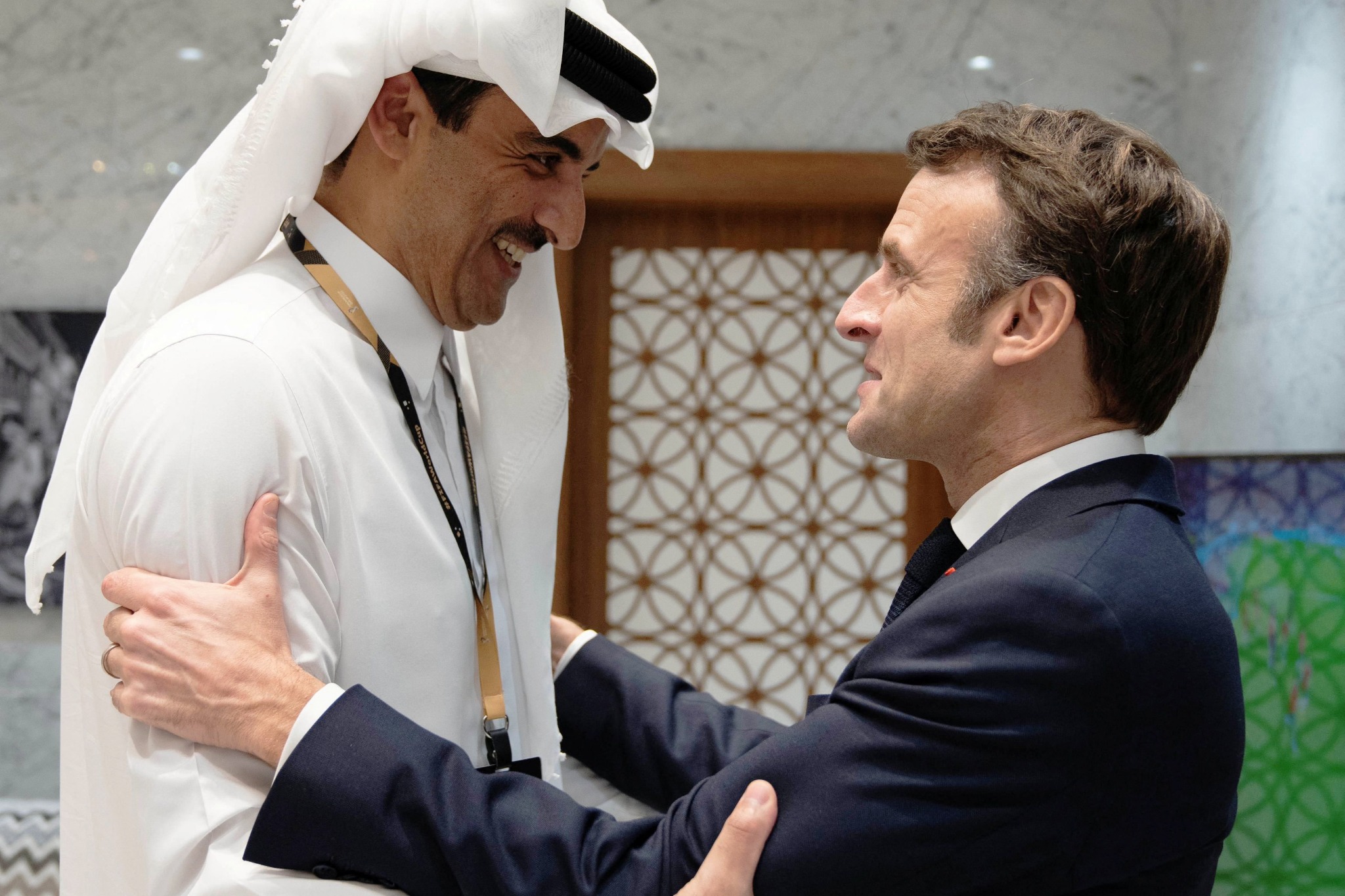
Combating Islamism in France: The Need for Coherence in Foreign Policy
Combating Islamism in France requires a coherent foreign policy. Foreign funding, ties with Qatar and Iranian operations show why.
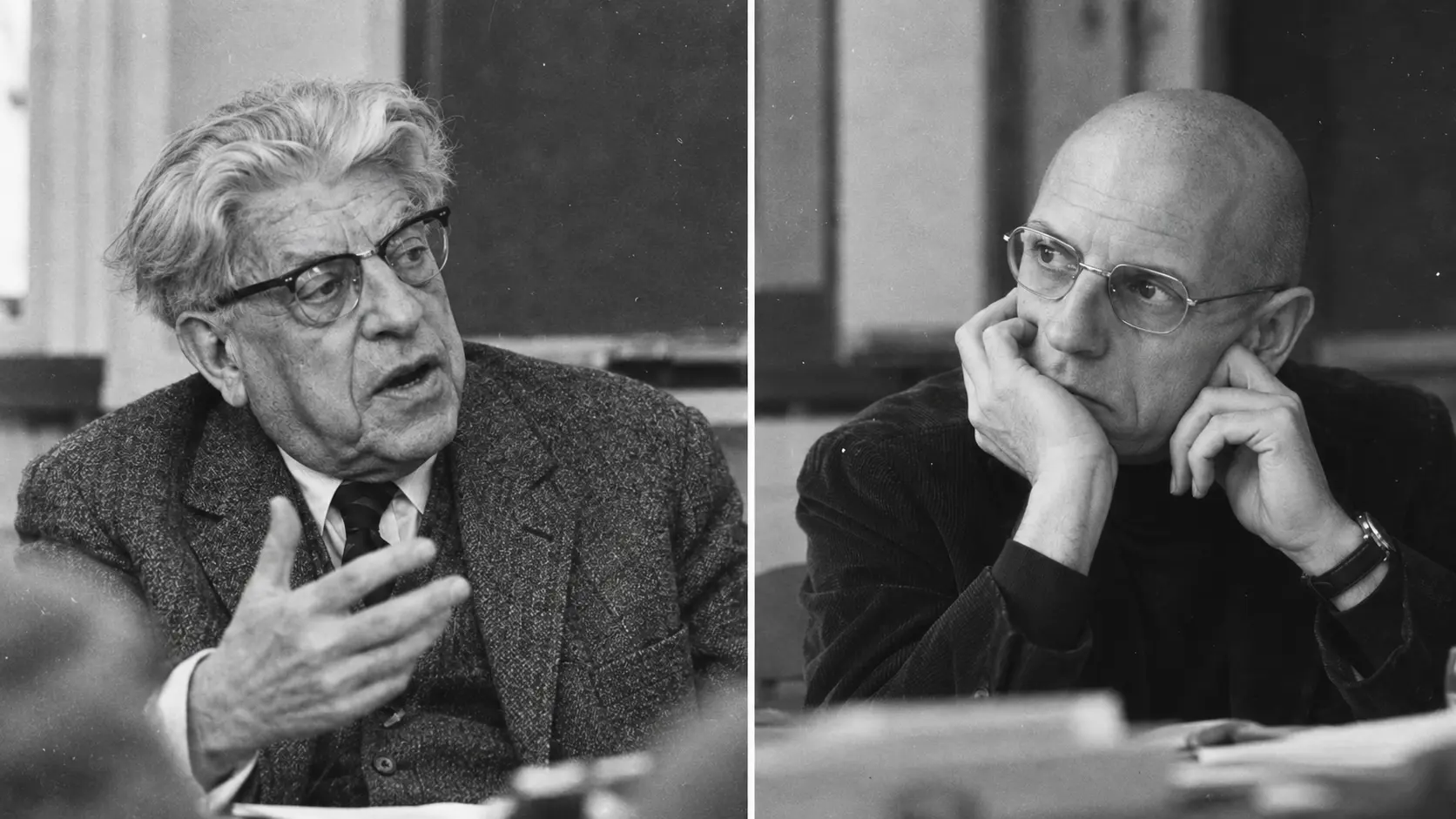
Through Bloch’s Lens: Foucault, Iran, and Emancipation Without Redemption
When Michel Foucault travelled to Iran in the fall of 1978, he had just been reading Ernst Bloch’s The Principle of Hope. In the uprising against the Shah, he thought he saw religious hope becoming a political force. The clerical victory soon exposed the blind spot of that interpretation: a promise of emancipation can also become the language of a new system of domination. The Iranian experience did not single-handedly cause Foucault’s later intellectual turn. But it helps explain why his final work sought forms of freedom no longer grounded in revolutionary redemption.
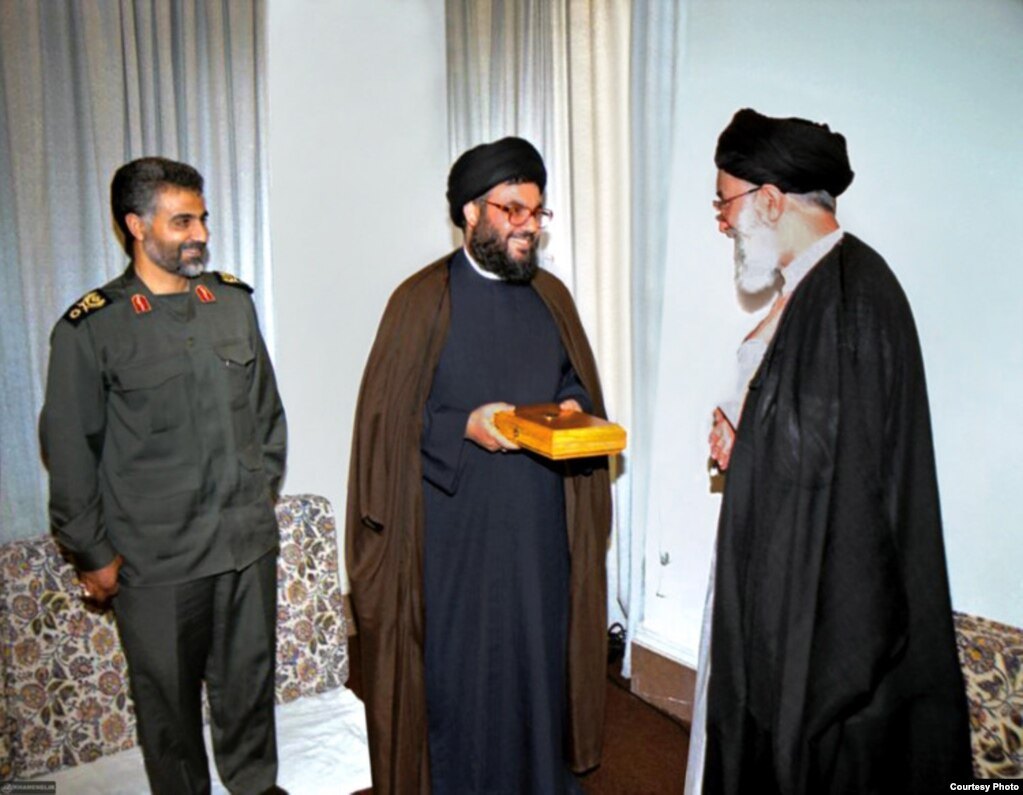
Iran and History’s Cunning: The Rise and Possible Decline of Political Islam
Iran helped bring political Islam to state power in 1979. The convergence of social change and regional decline may open a path beyond religious rule, but only a citizen-led political process can give that path legitimacy.

Hormuz: the race against three clocks
The struggle over Hormuz is also a struggle over who can afford to wait. Washington faces an electoral deadline, Iran’s rulers face mounting economic costs, and Iranian society could upset both calculations. November 3 may change the balance; it cannot determine the outcome.