Revolution, Transition and Iran’s Political Future
Iranian revolution, social movements, democratic transition and the conditions required to build a political alternative to the Islamic Republic.
Articles in this topic
5 articles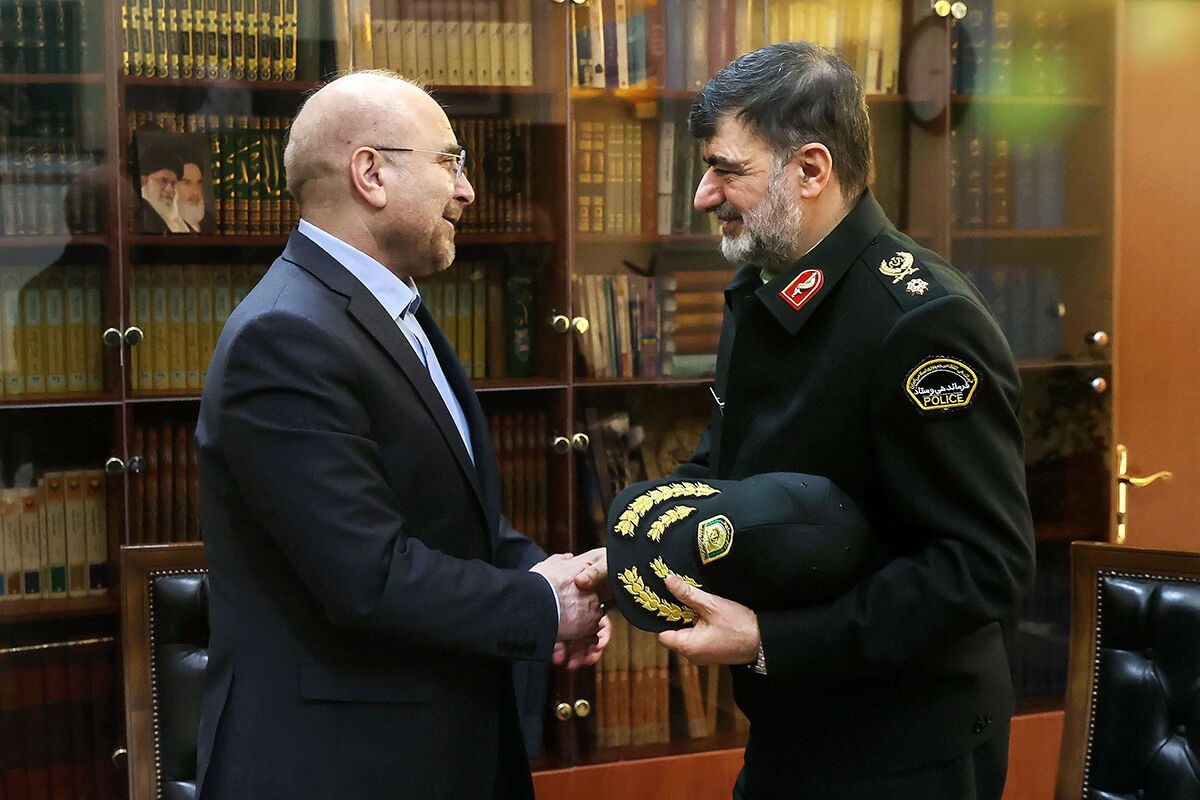
Iran’s Economic Crisis Is Reaching the Forces That Protect the Regime
Iran’s coercive apparatus depends not only on weapons and command structures, but also on salaries, benefits and oil-funded patronage. Economic pressure could test its cohesion during the next protest wave.
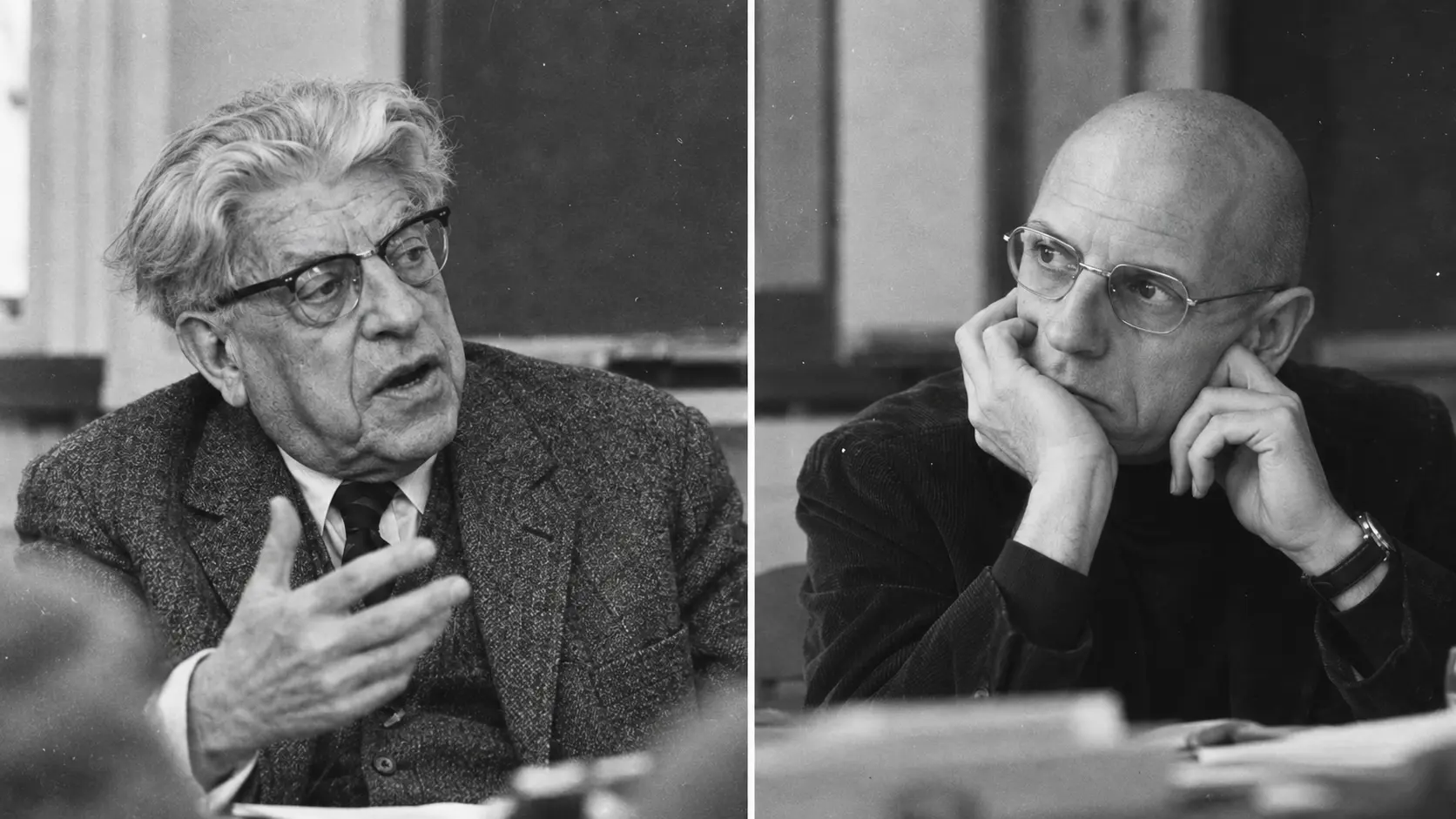
Through Bloch’s Lens: Foucault, Iran, and Emancipation Without Redemption
When Michel Foucault travelled to Iran in the fall of 1978, he had just been reading Ernst Bloch’s The Principle of Hope. In the uprising against the Shah, he thought he saw religious hope becoming a political force. The clerical victory soon exposed the blind spot of that interpretation: a promise of emancipation can also become the language of a new system of domination. The Iranian experience did not single-handedly cause Foucault’s later intellectual turn. But it helps explain why his final work sought forms of freedom no longer grounded in revolutionary redemption.

Why Washington Failed to See Iran’s Revolution Coming
Drawing on Scott Anderson’s King of Kings, this essay examines American blindness, the Shah’s indecision and the convergence of crises that enabled Khomeini’s ascent.
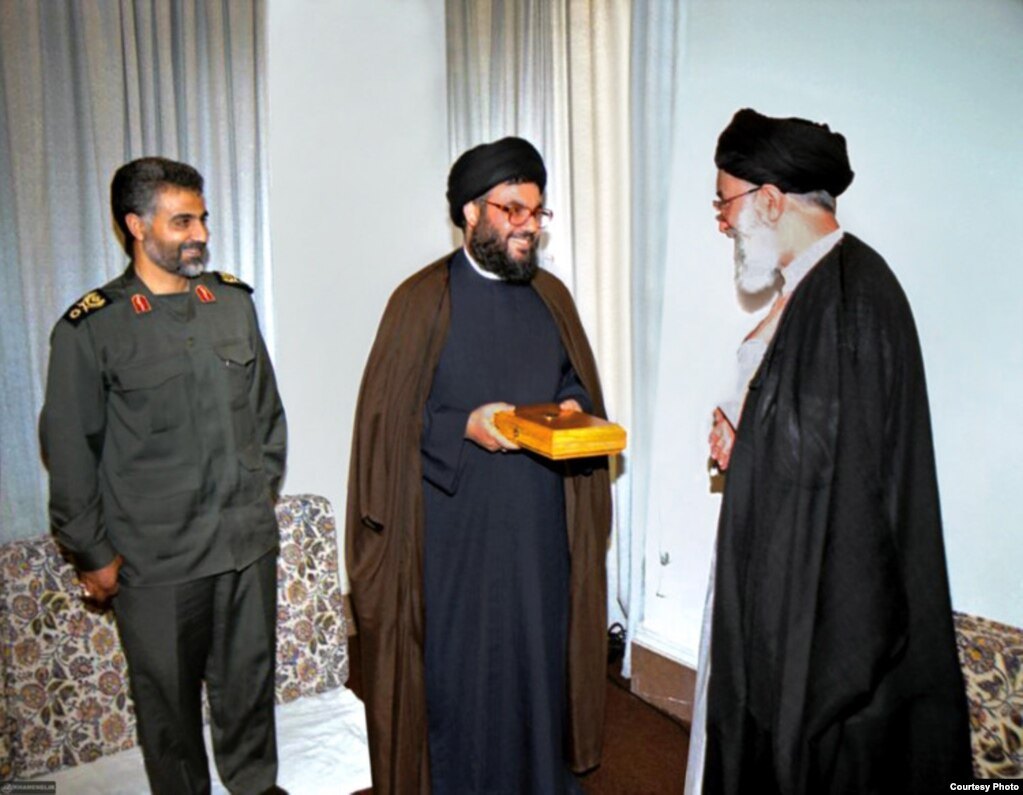
Iran and History’s Cunning: The Rise and Possible Decline of Political Islam
Iran helped bring political Islam to state power in 1979. The convergence of social change and regional decline may open a path beyond religious rule, but only a citizen-led political process can give that path legitimacy.
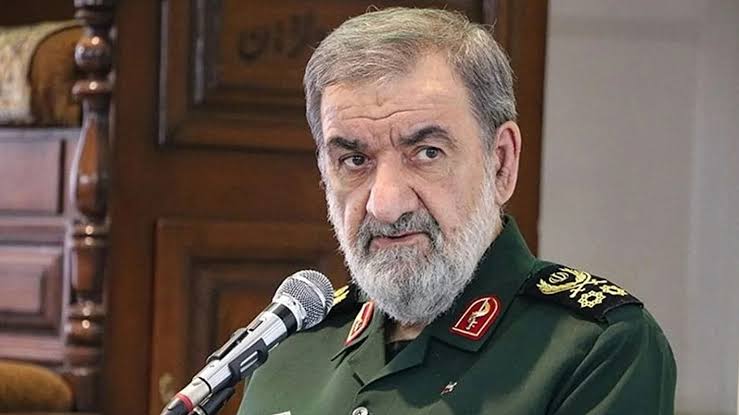
Tehran’s Networks and the Limits of French and European Sovereignty
Mohsen Rezaei’s threat against US bases in Europe, following a cyberattack attributed to Iran in France, highlights Tehran’s instruments of coercion and Europe’s constrained room for manoeuvre.