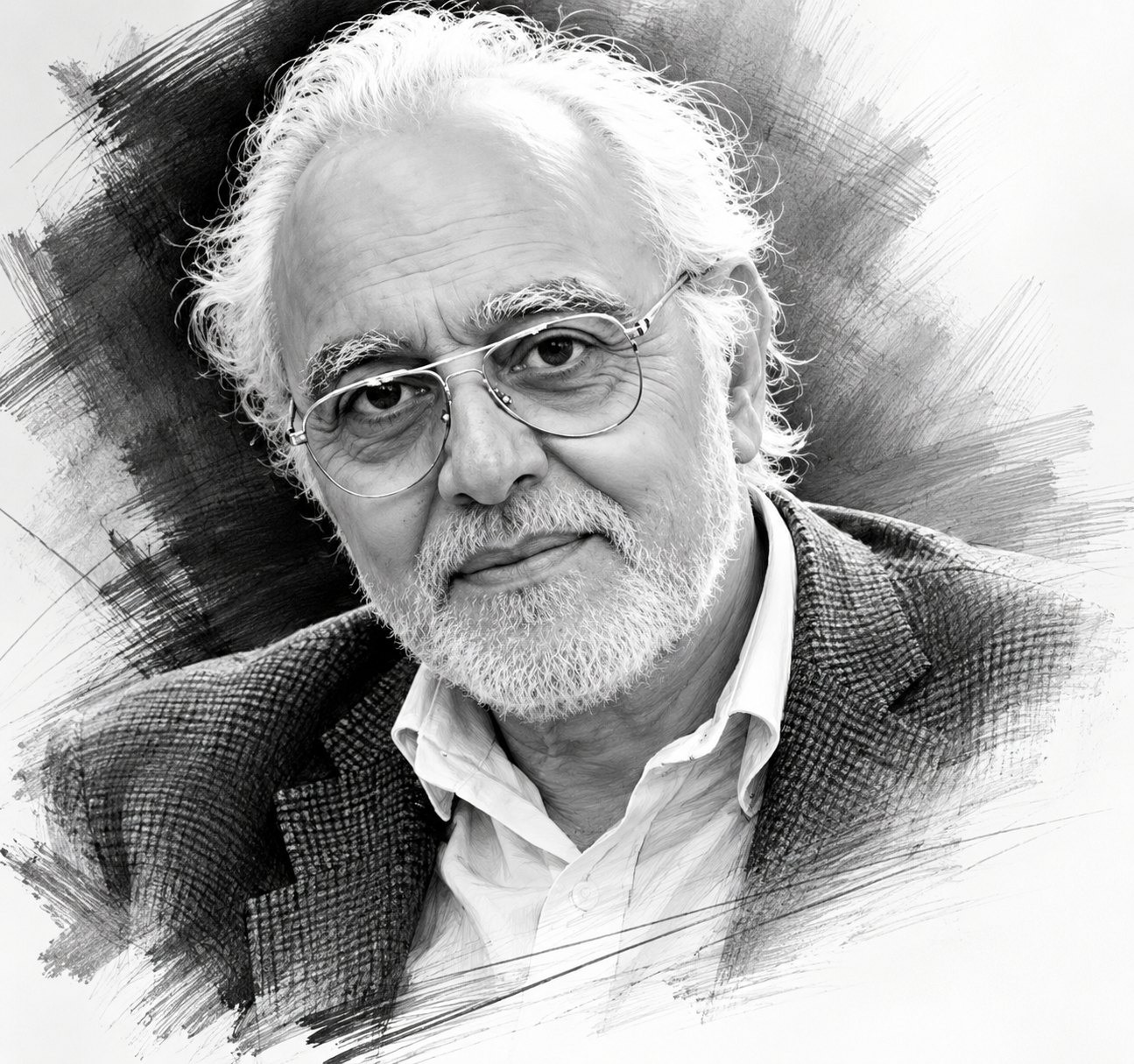
In the upheaval of 1979, opposition to the Shah did not automatically lead to support for Ruhollah Khomeini. Ali Shakeri-Zand understood why the distinction mattered. He stood by Shapour Bakhtiar, the monarchy’s last prime minister, before and after the establishment of the Islamic Republic. For him, rejecting one authoritarian order could not justify submitting to another in the name of religion.
That choice is central to how I remember him. I came to know Ali in the final years of his life, having met his brother Khosrow decades earlier. Both left me with the impression of thoughtful, generous and principled men. Ali’s particular strength was an independence of judgment that endured the pressure of events and the hostility of people who believed they spoke for the same political tradition.
What loyalty required
Shakeri-Zand had joined the national movement associated with Mohammad Mossadegh in his youth, during the struggle to nationalise Iran’s oil industry. His loyalty to Mossadegh remained firm. But loyalty, as he practised it, required more than attachment to a leader’s memory. It meant defending national sovereignty and political freedom even when others invoked the same legacy to justify a different course.
This was the divide exposed by the revolution. Some of his former National Front companions and other opponents of the monarchy supported Khomeini or underestimated the danger of religious government. Ali took the opposite view. A country would not become free merely because its new rulers claimed to embody its independence. The freedom of its citizens was part of the test.
His support for Bakhtiar therefore expressed more than allegiance to a political figure. I regard it as a judgment about the kind of order Iran was being asked to accept. When revolutionary enthusiasm made that question difficult to ask, he refused to let enthusiasm answer it for him.
Against the authority of one’s own camp
The left-wing sympathies in his family had never meant, in my understanding of Ali and Khosrow, submission to Stalinist dogma. Social justice and freedom were not interchangeable with the authoritarian doctrines that claimed to deliver them. Ali brought the same distinction to the national movement: a political tradition could command his commitment without acquiring a right to suspend his judgment.
I remember how much hostility this independence could bring. People who considered themselves heirs to the National Front challenged him precisely because he questioned what they were doing in its name. He treated its legacy as an obligation to defend principles, rather than a source of standing that placed its adherents beyond criticism.
There is a family resemblance here to Khalil Maleki’s resistance to Tudeh Party dogmatism and to the principled stance of Gholam-Hossein Sadighi. Their histories were different. What leads me to place them alongside Ali is the willingness to pay a political price for refusing the expectations of one’s own side.
Shakeri-Zand’s legacy is consequently larger than a list of positions he took. It lies in the relationship he maintained between commitment and independent thought. Neither revolutionary momentum, the power of rulers nor the prospect of isolation relieved him of the duty to judge.
Many people learn to recognise a disastrous political course after its consequences become undeniable. Ali recognised the danger of religious rule while much of his generation still invested its hopes in the revolution. That is the distinction his life leaves us: political courage includes the ability to stand apart when agreement would be easier, and to remain loyal to freedom when loyalty to a camp demands its surrender.